JENNA OUTCALT
Staff Writer
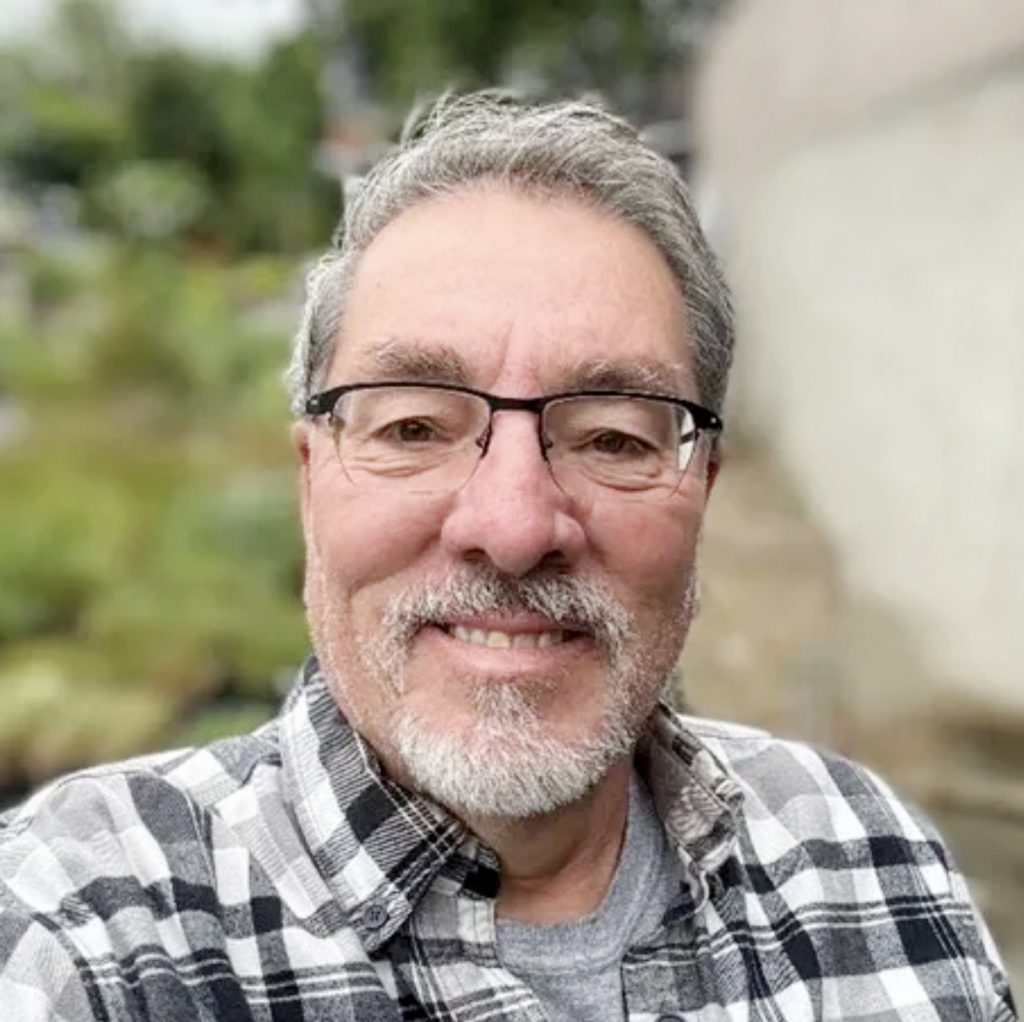
When Ken Parker was growing up, he was surrounded by gardens. On his mother’s side, his Polish grandfather cultivated a garden in Buffalo, New York, while his Native Seneca grandfather on his father’s side grew vegetables like tomatoes and corn.
“That kind of influenced me as a kid, going out there and seeing them grow,” Parker said. “It’s funny how I waited till later in my adult life to have that horticultural awakening.”
Parker, an educator and consultant on native plants, will speak at 12:30 p.m. today for the Bird, Tree & Garden Club and Chautauqua Climate Change Initiative.
“My focus is helping people understand selecting the right plant for their backyard,” Parker said.
Parker said people need to think about the origin of the species they want in their backyard.
“When we go to the garden center and we buy plants, we buy with our eyes,” he said. “A lot of times, we really don’t understand where that plant’s original habitat was.”
Parker said he will also discuss the Indigenous understanding of nature and how plants interact with one another, as well as their environment.
“Native Americans were really, to me, the original environmentalists,” Parker said. “They only took what they needed. They managed the land because they lived off the land.”
Before his career in horticulture, Parker was a U.S. Marine. He is also a professional saxophonist who toured with the U.S. Marine Band for five years, from 1986 to 1991. Afterward, he moved to Canada and started a nursery, which led him to his career in native plants.
He has worked with many groups during his career, but he said one of his favorites is the Intertribal Nursery Council, which hosts Indigenous tribes from the U.S. and Canada for annual meetings.
“We talk about our significant projects, our significant challenges and research that’s being done,” Parker said. “Tribes are trying to bring back the plants that were significant to their culture, because native plants are really in the minority in North America.”
He is also the director of the Food Is Our Medicine project, which seeks to promote healthier living through gardening and traditional plants.
“I think in today’s economy, a lot of people want to grow things in their own backyard to be more self-sustaining,” Parker said.
He explained that some native plants are often mistaken for imports, such as potatoes and tomatoes. Meanwhile, naturalized plants, which grow well in the local climate, are often mistaken for native plants, such as the Colorado spruce.
“Can we grow this in New York State? Absolutely. Is it native to New York State? Absolutely not,” Parker said. “This is a distinction that we need to educate the public on.”
Parker also emphasized the importance of collecting local seeds for environmental health.
“We try to grow plants from within the counties that we live in,” he said. “It’s really important that we preserve the genetic quality of those plants. They adapted here for thousands of years.”
Parker said people “don’t have to do a scientific analysis” of their backyard to find the best plants. Basic information, such as soil type and the amount of sunlight, can inform decisions about which plants can thrive in a yard.
According to Parker, the public is starting to understand more about native plants, though it’s moving more slowly than he’d prefer.
“I think as a marine, I have the viewpoint of the little battles in everybody’s backyard,” he said. “If we can put one or two native plants back in our backyard, I think we’re gaining traction.”
Parker said everyone who grows native plants contributes to the circle of life.
“Those plants are great for pollinators,” he said. “The pollinators feed the birds, and it’s just an all-around positive impact to add more native plants to your backyard.”