JENNA OUTCALT
Staff Writer
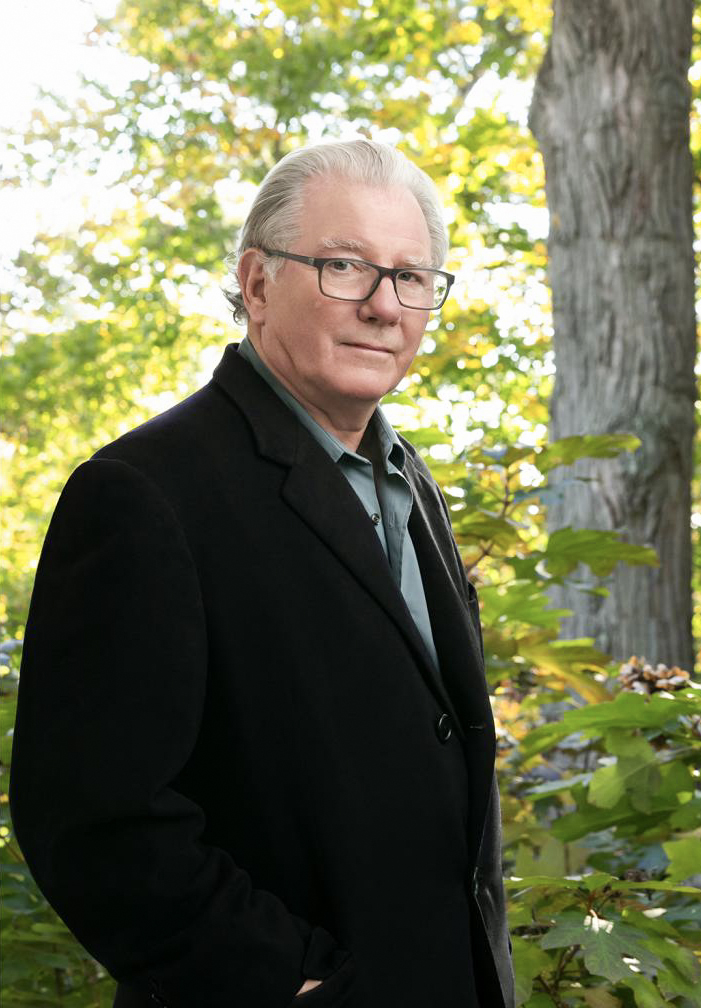
When it comes to climate change, author Eugene Linden warns that things are getting worse even faster than anticipated, and that means the future looks bleaker and more expensive than ever.
“It’s not in the future. It’s now,” he said. “And that’s why we need ideas that can be implemented and are practical now.”
Linden will give a lecture at 9:15 a.m. today in Hurlbut Sanctuary for the Chautauqua Science Group and Chautauqua Climate Change Initiative. He said he will speak about his book Fire and Flood: A People’s History of Climate Change, from 1979 to the Present, which explores “how we got to where we are right now” in terms of climate.
“Emissions were a problem in 1990. We were beginning to see the effects of climate change by the end of the decade, and yet, we’ve done nothing about it,” he said. “The only time there’s been an interruption in the rise in global emissions of CO2 and greenhouse gases is when there’s been a severe recession like the Great Financial Crisis or COVID. No voluntary or international efforts have reduced emissions at all.”
Linden cited population growth and growing energy needs as major problems inciting climate change. He emphasized that individuals ultimately bear the monetary costs of climate change, whether it is through insurance premiums, higher prices or higher taxes.
“Climate change has been imposing costs on the economy for several years now, and it’s getting worse every year,” he said. “It’s not going to get better.”
Linden said he hopes to open the floor to discussion about potential solutions during his lecture. Because of the urgent nature of the crisis, Linden said solutions need to be “scalable” and “readily deployable.”
“You need something that is really bulletproof, that can’t be litigated [and] negotiated endlessly with endless exemptions for interested parties,” he said. “We need something entirely different than what we’re doing.”
The solution Linden supports is a universal climate tariff, which would tax countries for carbon emissions.
“Now, tariff has become a dirty word, so people have a sort of gut reaction to the idea, but the whole point of it would be universal,” he explained.
According to Linden, the logistics for the tariff are manageable; the challenge is reaching a consensus across countries on implementing it with no exceptions, as exceptions would “nullify the collective action” of other countries.
“You really need everybody to sign on. The point is that it could happen very quickly if there was the political will to do it, because it doesn’t require a lot of negotiations,” he said. “The apparatus is already in place to both administer it, implement it and monitor it.”
Linden said solutions requiring endless negotiation are “God’s gift to those who want to delay action,” such as fossil fuel companies.
“The genius of the fossil fuel interests and the climate deniers is they politicize the issue and delegitimize the messenger,” Linden said. “And if the messenger is deemed to be illegitimate, nobody listens to the message.”
Linden also said people could get burnt out on climate messaging.
“People tune out. They think they’ve heard it all before,” he said. “Even as things happen that were predicted, and they’re worse than predicted, the general public doesn’t really get it.”
Linden said the tendency to ignore issues like climate, despite all the materials presented, is “immensely frustrating.”
“It just goes back to my basic point that the incentives are to ignore the long-term in favor of short-term at every level of society,” he said.
However, he emphasized consumers’ power to change things.
“Consumers are more powerful than voters in one sense because there are more of them,” he said.
According to Linden, this means consumers have their say in the kind of transportation, energy and economy they want.
“There’s a couple of hundred million consumers in this country, and their dollars are votes,” he said.