
LILY RESLINK
Staff Writer
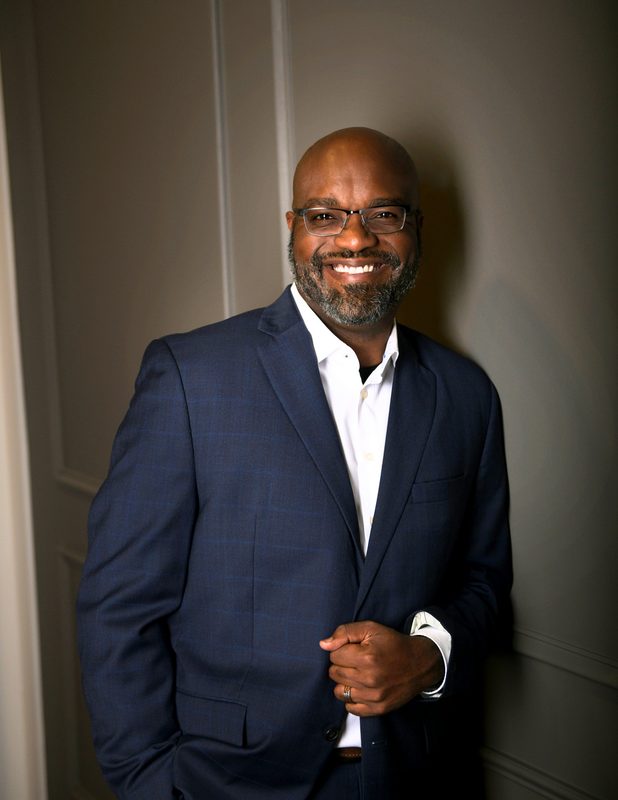
Derrick Weston, director for theological education and formation for Creation Justice Ministries, will deliver a lecture on “the spiritual component of eating” at 2 p.m. today in the Hall of Philosophy. He said he connects this spirituality not just to what humans eat, but also how.
Weston said he looks forward to Week Eight’s discussions of food technology and future development, and said, “I actually am a strong believer that the future of food is the past of food.”
He said he will contrast mindful consumption rooted in the ancient practices of gardening and cooking with the cultural views of eating in the U.S., which he said “is often either fueling a machine to do capitalism better, or just mindless, gluttonous eating where we’re just eating to fill a void.”
Weston brings perspective from 20 years of experience in community organization and pastoral work. If his lecture had a title, he said it would be “Fast and Feast.”
With spiritual connection, he said his lecture will suggest people explore the question, “How [can we] be mindful in garden spaces and in cooking spaces, where we’re thinking about what we’re putting into our bodies, and how [does] that [connect] us to the world?”
Weston has also had roles in producing podcasts, short films and written publications on the intersection of food and faith — a crossover he has frequently explored throughout his fellowship with Re:Generate on food, faith and ecology through Wake Forest Divinity School.
Within the education sphere, Weston is a cohort supervisor for Candler School of Theology’s new hybrid M.Div. program; his cohort focuses on food justice and sustainability.
For Weston, a week centered on intellectual and spiritual conversations about food for a whole week is a dream come true.
“There is a way that we can think about eating that permeates the rest of the ways we live our lives,” he said.
While Weston argues that mindfulness is beneficial to humanity, he said he thinks food’s abundance in the U.S. — for the average household — reduces critical thinking about food. He said his lecture will explore obstacles and opportunities for connective food practices.
“Food connects to so many of the justice issues that are going on in this world,” he said.
He said these justice issues pertain to environmental justice, as well as inequalities in race, gender, wealth and health.
Weston shared that because of his own journey of connecting deeper with food and land, he can speak to the healing and connective potential of gardening.
“At a dark period of my life, I really threw myself into planting seeds and watching things grow,” Weston said.
Weston said he had a mentor who once said in order to enact social justice, one must first enact “soul justice.” In this personal process, he said he grew to recognize the connection that food and land had to his own values and concerns.
“Tending to my own soul in the garden reignited a passion for me to work for social justice, and I recognized that food was a means of addressing many of the justice issues that I was passionate about,” Weston said.
In 2010, Weston was a part of the new clergy cohort at Chautauqua Institution, which he said has led him to view Chautauqua as a sacred space, although he has not returned since.
“I’m coming into the space with a lot of reverence for it, and a lot of reverence for the community of Chautauqua, and hoping that I contribute to something of the culture there,” he said.
According to Weston, his lecture will leave Chautaquans with takeaways on how mindful practices with food can connect humans to “creation,” “our neighbor” and “whatever our conception of the divine is.”