
LILY RESLINK
Staff Writer
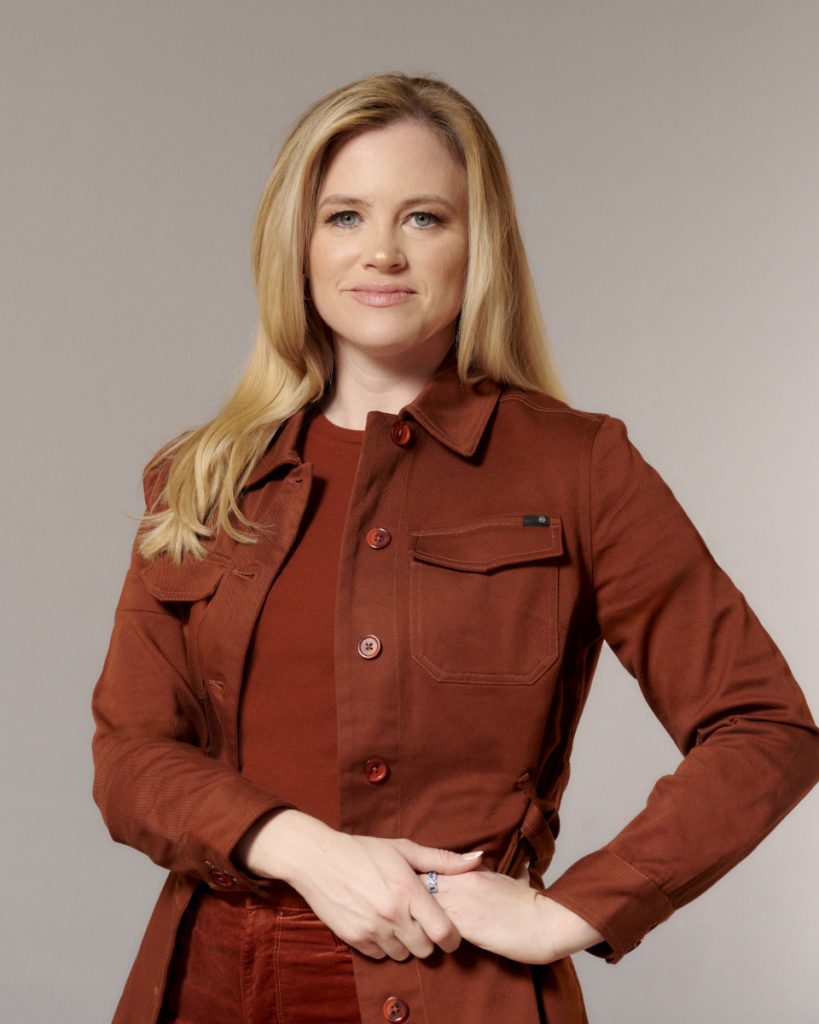
Instead of a congregation or a classroom, Elizabeth Dias dedicates her career to religion in the fast-paced news media sphere of deadlines, copyedits, interviews and hard news.
Dias, the national religion correspondent for The New York Times, joins the Interfaith Lecture Series for a moderated conversation with a member of the Department of Religion at 2 p.m. today in the Hall of Philosophy.
Director of Religion Robert Wilson-Black said the conversation will cover her career, her current assessment of the national and global status of religion and her forecast of the future in that realm. In his perspective, the conversation is an opportunity to delve into her background, accomplishments and publication portfolio, which offers an extensive range.
Dias described this range of coverage in an excerpt of her page on the Times’ website. She said: “I write about the shifting expressions of belief and power in American society, and many of my stories focus on the conservative Christian political movement and anti-abortion activism. I am interested in everything from Buddhist rituals of mourning to technology’s impact on spirituality. I write about both power brokers and everyday people — religion is about the most powerful and the most personal.”
Her publications also include co-authored 2024 book The Fall of Roe: The Rise of a New America, which compiles information from more than 350 interviews with figures who sought influence of the Supreme Court’s stance on abortion.
The UCLA Center for Reproductive Science, Health and Education (CRSHE) hosted Dias in 2025 to share insight from her career and research from her book. “If you only look at what the science says — you’re not thinking about the political motivations, legal strategy, the phrasing of the language in these bills and who is supporting them,” Dias said in part of this speaker series.
In this conversation with the CRSHE, Dias spoke to the court decisions that shaped the legal status of abortion. “Looking at what happened with Roe as a case study and roadmap, you can see it being translated to other aspects of scientific work. If you understand how Roe fell, you’ll have the tools to understand the political, cultural and religious forces working to reshape America,” Dias said.
Within her biographical information on the Times’ website, Dias detailed her journalistic approach to the publication’s ethics policy. “For my work, [the ethical standard] means being fair and accurate and considering a range of perspectives in my fact-gathering and storytelling,” she explained. “I do not make political donations, endorse candidates or participate in political causes like protests. When I am working, I always identify myself as a reporter for the Times. It is important to me to report ‘without fear or favor’ so that readers across ideological divides can trust my work.”
Wilson-Black said Week One’s “Women of Spirit” lecturer lineup is hard to contend with, but Dias brings a wealth of insight and renown to elevate Week Two’s “Truth, Trust and the Sacred.”