
LILY RESLINK
Staff Writer
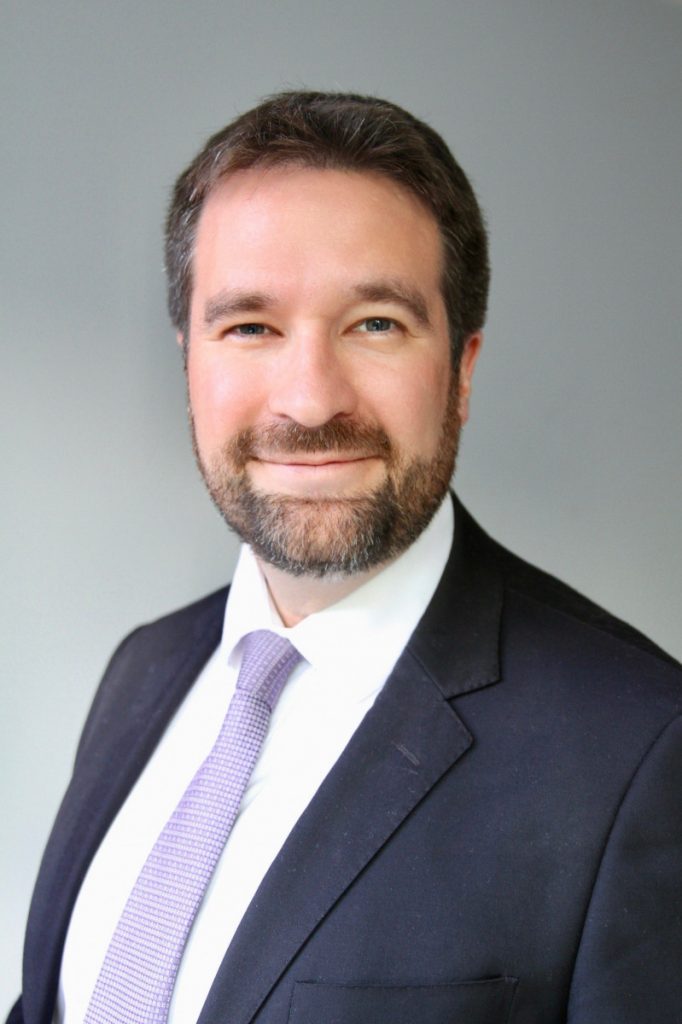
Rabbi Joshua Stanton refutes reports of America’s religious decline, instead saying the religious sphere is transforming along with the times.
“It will be exciting to talk about all that is happening that doesn’t typically meet our eyes, doesn’t typically make it into the press, but is answering the need of the vast majority of religiously- unaffiliated Americans who believe in a higher power, and who believe more often than not that they can connect directly with that higher power, and yet are not finding a place in churches, synagogues, mosques and temples,” Stanton said.
Rather than a problem, Stanton sees this as an opportunity.
“When people in large numbers are creating something instead of what exists, it is a call and an opportunity for those of us in existing communities to adapt, to grow, to listen and to learn both about what is working and about what isn’t working,” Stanton said.
At 2 p.m. today in the Hall of Philosophy, Stanton — pulpit rabbi, associate vice president for interfaith and intergroup initiatives at Jewish Federations of North America, author and communication professional — will deliver a lecture with a focus on “spiritual entrepreneurship” and leaders who shepherd the contemporary shift in religious practices with intention. He returns to the ILS docket following his 2025 lecture on religious pluralism.
His lecture will pull from the knowledge he has gained through compiling Spiritual Belonging: 40 Faith Leaders Reimagine Community, Connection, and Belief, his co-authored book with Rabbi Ben Spratt coming out January 2027.
Baked into this book, he said, is the idea of one person not having all the answers, which the production process embodies. Stanton said he never writes books individually and recognized the importance of collaboration with his “thought partner” Spratt and editor Aviva Gutnick.
Through his work, Stanton has learned from spiritual practitioners whose adapted approaches deal with “engaging unaffiliated demographics with a lot of care,” “trying to adapt religion for a time of profound religious diversity in our society” and “trying to approach a time of polarization with care and compassion and nuance.”
While Stanton said he does not agree with the beliefs of many religious leaders in his forthcoming book, he is interested in their renewed approaches to spiritual practices in America.
Stanton said he feels religion is always supposed to reach people where they are. “If we’re not reaching them emotionally, aesthetically and communally, then we need to adapt in order to do so,” Stanton said.
Stanton connected the topic of adapting spiritual communities to the Week Two ILS theme, “Truth, Trust and the Sacred.”
“I wonder if the way people experience God, a higher power and spirituality might be shifting from the transcendent, where we feel like a small part of something big and majestic, to the liminal, where we feel deeply and personally connected,” Stanton said. “And I wonder if a universal theme is the desire for people to feel like a relevant and important part of a community.”
He said this universal theme of community extends beyond any tradition or approach to faith. Because of the loneliness epidemic that threatens societal well-being and public health, Stanton called the conversation on religious belonging “timely” and “critically important … to re-weaving the social fabric of our country.”
Stanton invited listeners of his Monday lecture to share their thoughts, understandings, disagreements and struggles.
“I’m so excited to learn with such thoughtful people from across the country and beyond who are at Chautauqua in the spirit of continual growth and development, personally and spiritually and communally.” Stanton said nothing excites him more than gathering with others in that spirit.
Stanton emphasized wondering, asking, learning and sharing over being right.
“As a religious leader, I know better than to think I get very much right.” The great news, Stanton said, is he doesn’t have to be the expert. Instead, he elevates voices and works as a conduit of expertise.