
LILY RESLINK
Staff Writer
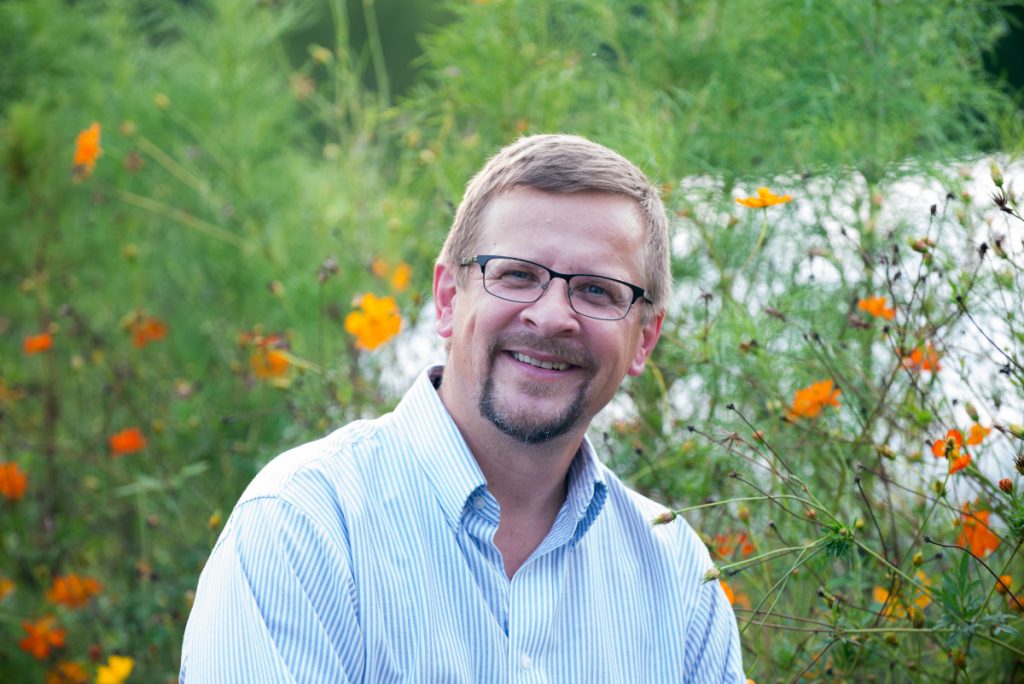
Norman Wirzba, Gilbert T. Rowe distinguished professor of theology and senior fellow at the Kenan Institute for Ethics at Duke University, said his farm upbringing gave him a fundamentally different view of food than those who primarily see food in its consumer-ready form at stores and restaurants.
At 2 p.m. today in the Hall of Philosophy, Wirzba will deliver a lecture on the “spirituality of eating” in a world in which he said the commodification of food prevents people from viewing it as part of the “more-than-human world.”
“We’re in this rather unusual situation in the history of humanity where people don’t grow food, they don’t hunt, they don’t forage — they don’t do hardly anything other than shop for it,” he said.
Wirzba said his goal is to talk about eating in ways that might surprise people and get people “to think about food in fresh ways.”
He said his lecture will prompt the question of “what food means to us” as humans.
“Eating is the most intimate act that we do that connects us to the life around us,” he said.
Religious traditions around the world focus on dietary habits, prohibitions about eating animals and themes of hospitality, he explained. His lecture will not be a survey of different faith traditions, but rather offer a general spiritual perspective.
“I come out of a Christian tradition, but I’ve worked with Jewish authors and with Buddhist and Hindu text… I’m going to try to speak in general terms that people can access from a whole variety of perspectives,” he said.
He said understanding the intimacy, beauty and fragility of life opens up perceptions of food that can make eating a more meaningful, satisfying and gratitude-inducing act.
“Once we have that conception of how deep and profound eating is, I think people can live a lot better.”
Wirzba said he finds it important for humans to experience “eating as something that is deeply nurturing for our whole lives, not just for our guts.”
Within the current food systems, he said it is common to prioritize cutting costs and time. “Convenience has given us a vision about what eating is and what food is that I think is really damaging.”
He said these food systems are damaging to farm animals, farm workers and food service providers.
“We don’t treat the places that give us food very well, and so what I want to do is help people think about food in different ways that honor life a bit more.”
Wirzba grew up raising crops and taking care of animals. “I think about food in terms of the land, and in terms of ecosystems, and in terms of weather and in terms of shared life with all the more-than-human world,” he said.
He said sourcing one’s own food creates an appreciation for it, whereas convenient purchases off Amazon weaken this appreciation.
“I’m not suggesting that everybody go become a farmer or people go hunt their own food, but the example of gardening and growing some of your food is really eye-opening for people.”
He suggested Chautauquans come to the lecture thinking about when they find eating meaningful. He said he also wants to engage with people and learn what they deem their most meaningful experience.
Wirzba spoke on what he loves about Chautauqua. “There’s just a whole community of people that want to learn, that want to explore and they can not just learn from the speakers and the artists, but they can learn from the conversations they’ll have with each other,” he said. “It’s the community atmosphere that elevates the learning and the inquiry that can happen.”
He said he hopes his lecture sparks thoughts in Chautauquans that carry over to conversations at the dinner table.
To Wirzba, food is something that helps humans understand that the world is good and beautiful. He said, “I hope that when people come to the lecture, they will be amazed by the fact that we live in a world that can taste so good.”