All photos courtesy of the Oliver Archives Center.
Jenna Outcalt
Staff Writer
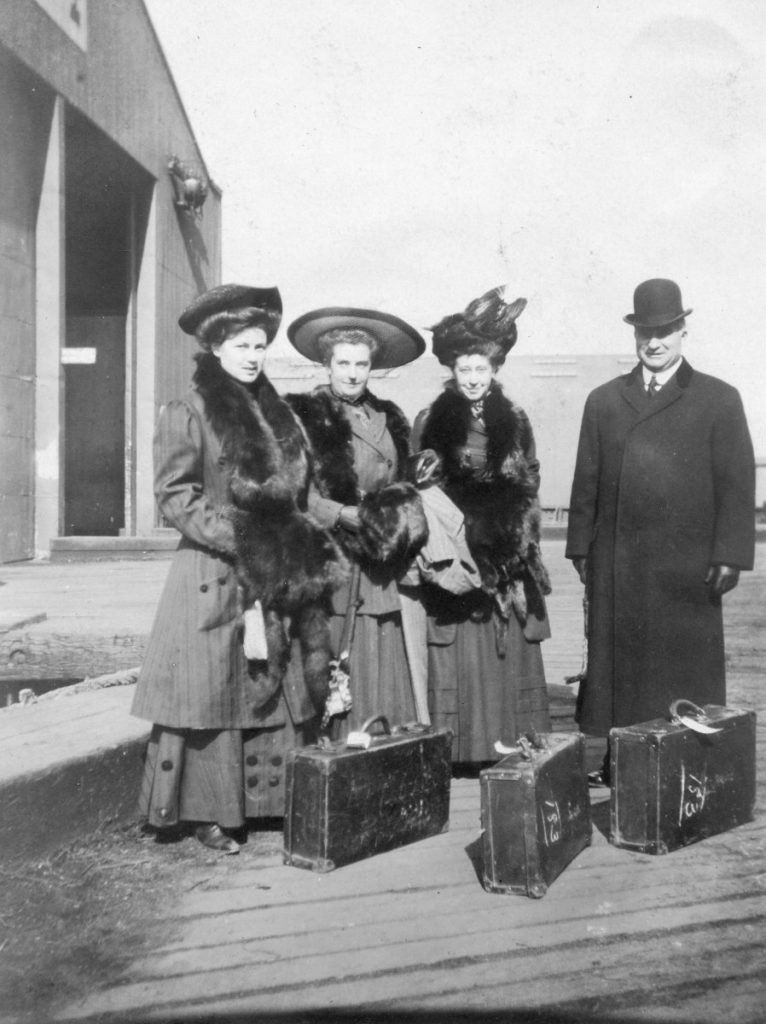
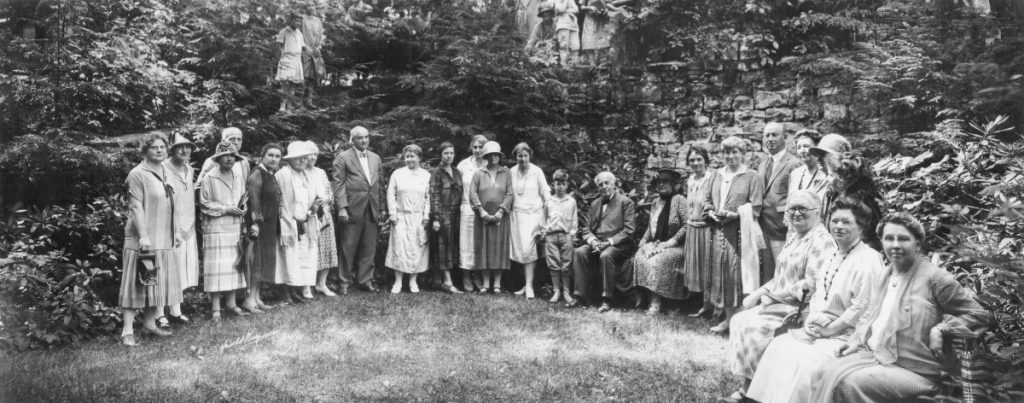
In 1913, a group of individuals joined Henrietta Ord Jones at a meeting hosted in her home. The topic of the meeting was Chautauqua Institution’s landscape, grounds and aesthetic value. Ord Jones was a driving force behind what is now Chautauqua’s Bird, Tree & Garden Club, and this meeting officially began the storied history of the club’s conservation and educational missions at Chautauqua.
According to the minutes of this meeting, “the general tone of this preliminary conference was most enthusiastic, and on motion, it was resolved that we organize a club to be known as the Chautauqua Bird and Tree Club.”
While the group was officially founded in 1913, meetings started years earlier, with unofficial gatherings happening in a tent on the South End as early as 1909 and later meetings taking place in the Methodist House in 1911 and 1912.
As the Institution wraps up its week about women who changed the world, there is no better time to acknowledge a few of the women who changed Chautauqua itself. Tasked with stewarding the beauty and environment of Chautauqua since that foundational 1913 meeting, BTG boasts a long lineage of women — including Ord Jones — at the helm of its leadership.
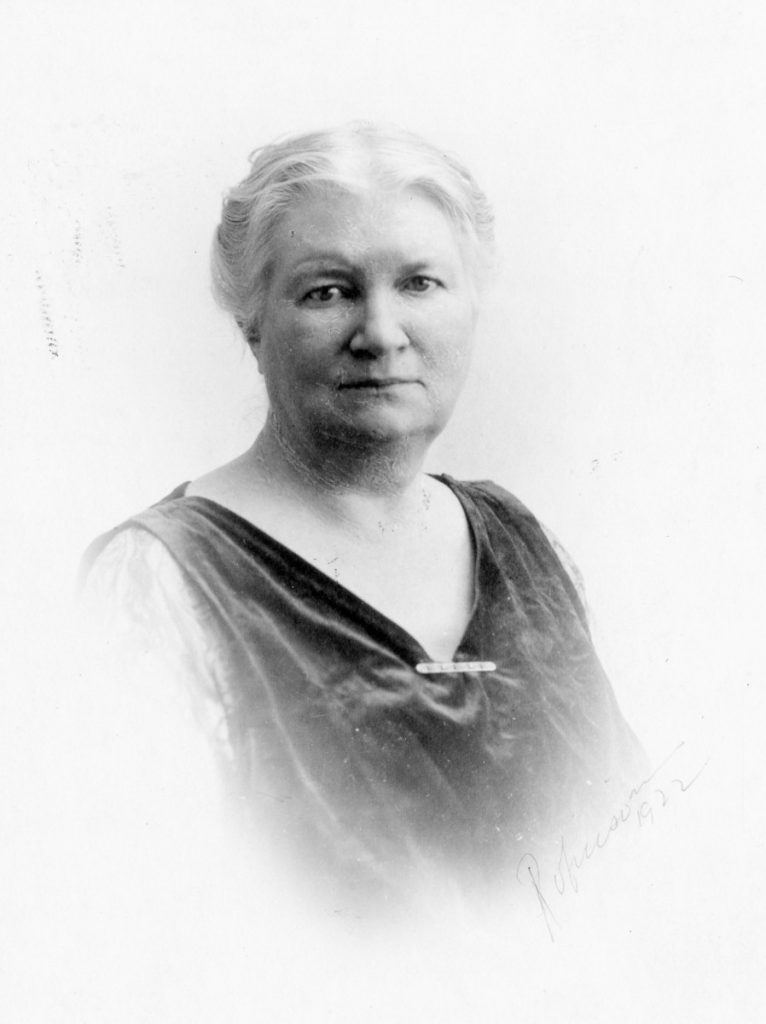
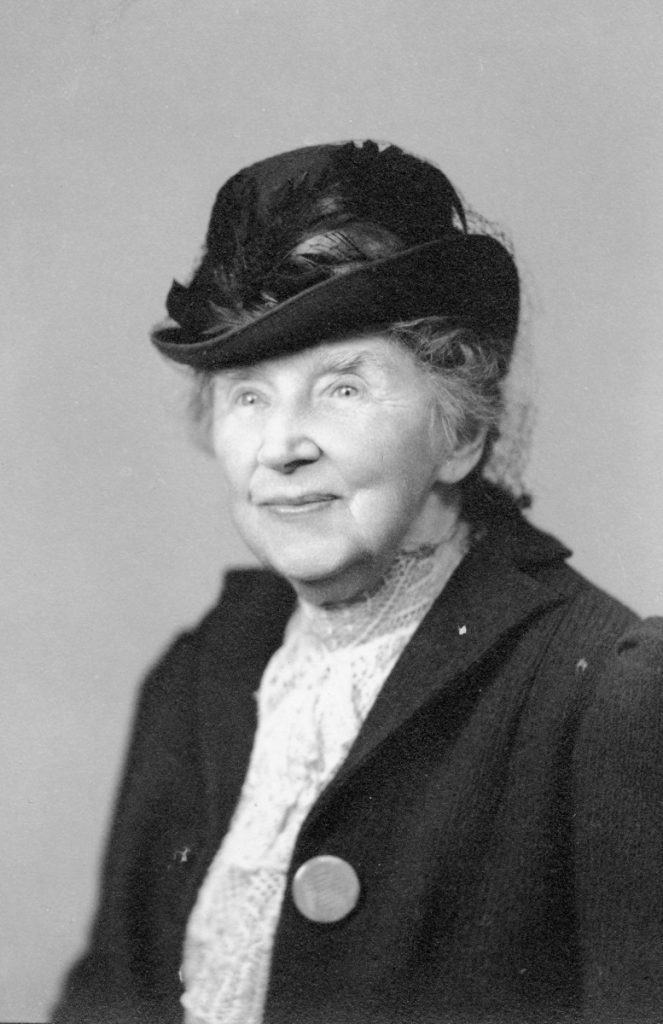
Ord Jones was an active community member who later cofounded the New York Bird and Tree Club at her home in New York City in 1917. She came from a family very involved in conservation and collected thousands of dollars in donations to fund France’s restoration of fruit trees after World War I.
Leslie Renjilian, who served as BTG president from 2022 to 2025, explained that garden clubs have long been a powerful force in environmentalism. Garden clubs would band together to support legislation such as the Migratory Bird Treaty Act of 1918 or oppose development on coastlines. BTG was no exception, creating local ordinances to keep feral cat populations under control and undertaking the task of labeling trees on Chautauqua grounds.
“It was a great way for especially women to come together around conservation and issues of nature and really be powerful,” Renjilian said of the club.
At its inception, BTG included plenty of men, according to Renjilian. However, women were at the helm of the organization, which was unusual for the time. BTG elected Louise Igoe Miller as president at their first meeting. Igoe Miller had previously lived in Puerto Rico with her husband, who served as postmaster general of the territory. While there, Igoe Miller worked to promote Puerto Rican embroidery to women in the United States, creating financial opportunities for Puerto Rican women. Later, she joined Ord Jones in the campaign to reforest France after the war.
Renjilian said when she first started learning about the history of BTG and the time these women dedicated to it, she found it “inspiring and intimidating in a good way.”
“‘I have got to really throw myself into this and honor the legacy of these incredible women who work so hard on all of this and not let it fall away just because of inattention or something,’” Renjilian recalled telling herself. “I really did find it intimidating and challenging in a really powerful way.”
BTG now hosts environmental lectures, gardening lessons and sessions, educational tree and nature walks and more.
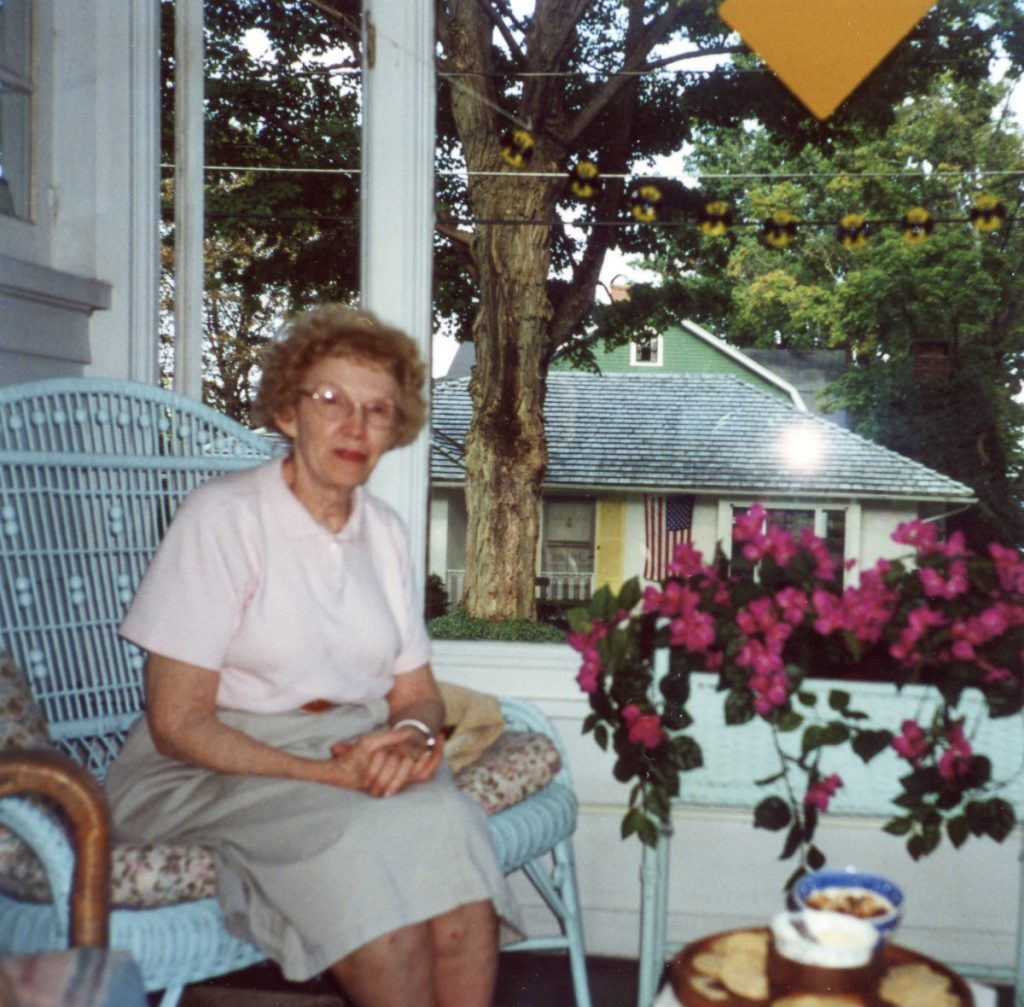
In a 2011 interview with Mary Lee Talbot about the history of the club, former BTG President Jerine Clark spoke of the BTG’s “rich heritage of accomplishments” by women.
“I think the BTG has lasted so long because of the extraordinary women who were seriously dedicated to keeping Chautauqua beautiful,” Clark said in the interview. “They saw themselves as missionaries and it is the exact same today.”