
MARY LEE TALBOT
Staff Writer
For 150 years, the staff of The Chautauquan Daily has shared the stories of Chautauquans, Chautauqua’s speakers and preachers, its actors and singers, its orchestra and artists. This anniversary, we are celebrating a few of the places where the Daily has been produced, but more importantly, we are celebrating the people who made the Daily so invaluable to all Chautauquans. While the size of the Daily staff has waxed and waned over the years, all who have been involved have worked to produce a paper of the highest journalistic standards.
Because the Daily is the repository of much of Chautauqua’s history, formal and informal, looking back into its issues always yields surprises. In a story from 1951, I found a story about Frank Chapin Bray, who served as editor of The Chautauquan, the magazine previously published by the Institution for the Chautauqua Literary and Scientific Circle, and other Chautauqua publications in the early 20th century. Bray was a 10-year-old child in 1876, the year the Daily was founded, and he delivered the Daily that first year.

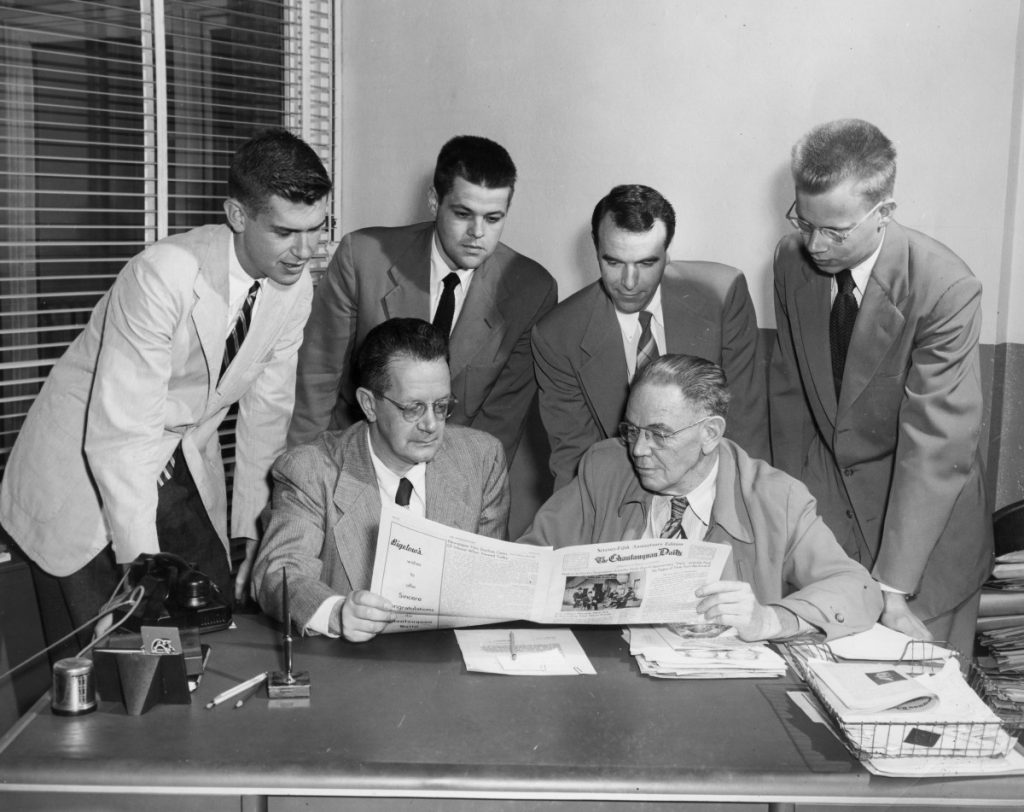
In 1951, the Frank Chapin Bray Memorial prize was given to Virgil Freed, the editor of the Daily from 1948 to 1965. To receive the prize, a Daily staff member needed to have worked on the paper for at least two years and have a permanent interest in journalism, and their work on the Daily should have always been outstanding, with Chautauqua’s welfare always the objective. Freed was honored on the 75th anniversary of the Daily.
There have been Daily boys and Daily girls. A photo from 1920 shows a group of Daily carriers, including boys and girls. Over the years, there have probably been more boys than girls. Cassandra Wineman was a Daily girl in the 1970s when her mother told her she had to find a way to pay for her gate ticket. Wineman’s three siblings, Tom, Joe and Deborah, all delivered Dailies.
There were two early photographers who took many pictures of Chautauqua, but did not get many of them into the Daily. It was not until the 1970s that the Daily published more photos than headshots of speakers. Harold Wagner was the “official” photographer for Chautauqua from the early 1920s to the late 1940s, basically following the Bestor years at Chautauqua.
Daily staff writer Lori Humphries wrote about Wagner in 2015. Humphries wrote, “He took staff, resident and visitor photos, as well as the panoply of group activities — whether kindergarten children on their miniature chairs, sports groups in action or residents dressed in their finery for evening social events. The photo archives he left behind record the society of a special place during a special time.” Silas G. Wertz was a freelance photographer whose work appeared in the Daily from about 1968 to 1982. Starting with Christopher Gibbs in the 1970s, the Daily photography staff has grown from one person to three or four each summer.
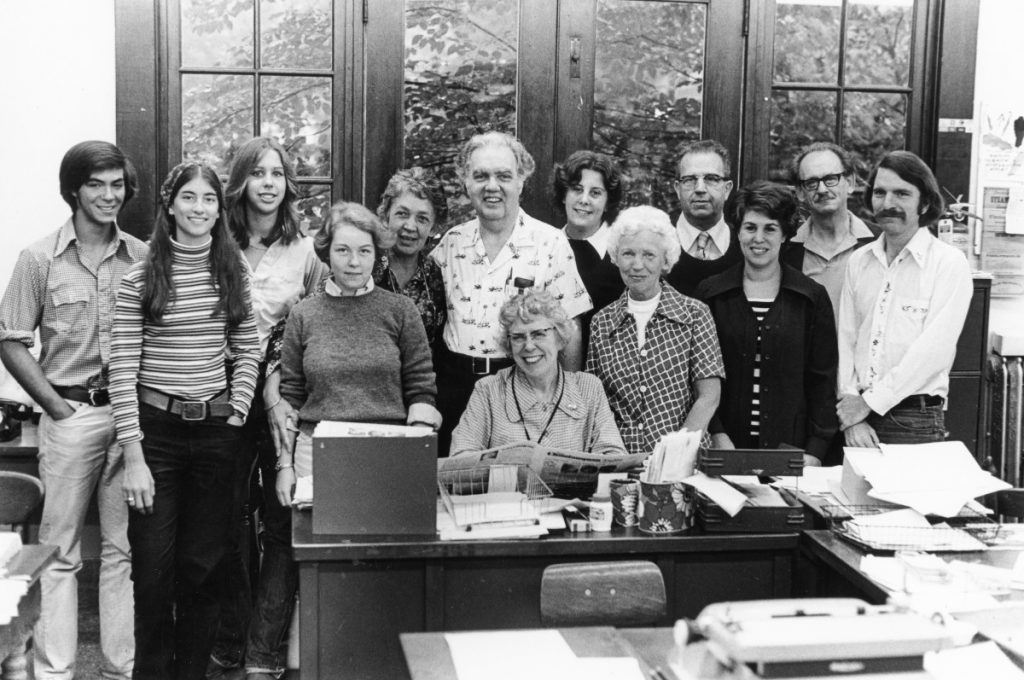
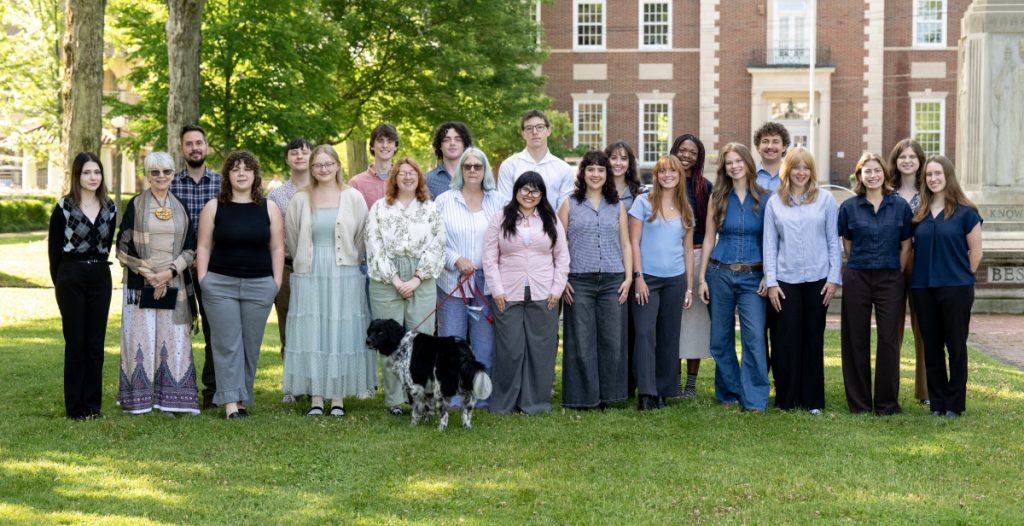
One of the most interesting changes in the Daily staff is the movement from mostly adults with a few younger people to a staff mostly composed of interns from several colleges and universities around the country, with a few “older” staff members. If you follow the staff photographs, you can see that the staff moves from adults, to mostly adults and a few college-age staff, to an almost even mix of older and younger, to mostly younger.
Alfreda Irwin is credited with beginning this change. She told freelance writer Lisa Ann Barone in an article for Ohio Wesleyan Magazine, “the development of the Daily’s apprentice and internship program was perhaps the most important aspect of [my] Chautauqua work.” She started with young Chautauquans who were here with their families for the summer. Over the years, more and more students came to Chautauqua who had never been here. One of the financial pressures on the Daily became finding adequate but inexpensive housing for them.
Today, the Daily’s serves as an experiential learning opportunity for emerging journalists. Reporters, photographers, copy editors and page designers are hired from a nationally-competitive internship pool of college students in journalism programs across the nation to serve as the editorial staff of the paper each season. Many interns experience Chautauqua for the first time while working at the Daily.
In recent years, Daily staffers have gone on to hold positions at publications nationwide and have earned prestigious awards. 2017 Daily photographer Erin Clark, now a staff photographer at The Boston Globe, was a finalist for the 2020 Pulitzer Prize for Feature Photography. 2018 Daily Assistant Editor and former page designer Chance Brinkman-Sull was part of the team of Pittsburgh Post-Gazette journalists awarded the 2019 Pulitzer Prize for Breaking News. Under the leadership of 1994 Daily reporter Almar Latour, current CEO of Dow Jones and publisher of The Wall Street Journal, the Journal has received numerous Pulitzer Prizes, including the 2023 Pulitzer Prize for Investigative Reporting and the 2025 Pulitzer Prize for National Reporting.
One of the toughest times for the Daily staff was Aug. 12, 2022, when Salman Rushdie was attacked in the Amphitheater. Editor Sara Toth led the staff as they worked well into the night for several days to cover the story and to provide updates as facts were released. One of the happiest nights was when staffer David Zinman ran from the Daily office, where there was a ticker-tape machine, to the Amphitheater to let Chautauquans know that World War II had ended with Japan’s surrender.
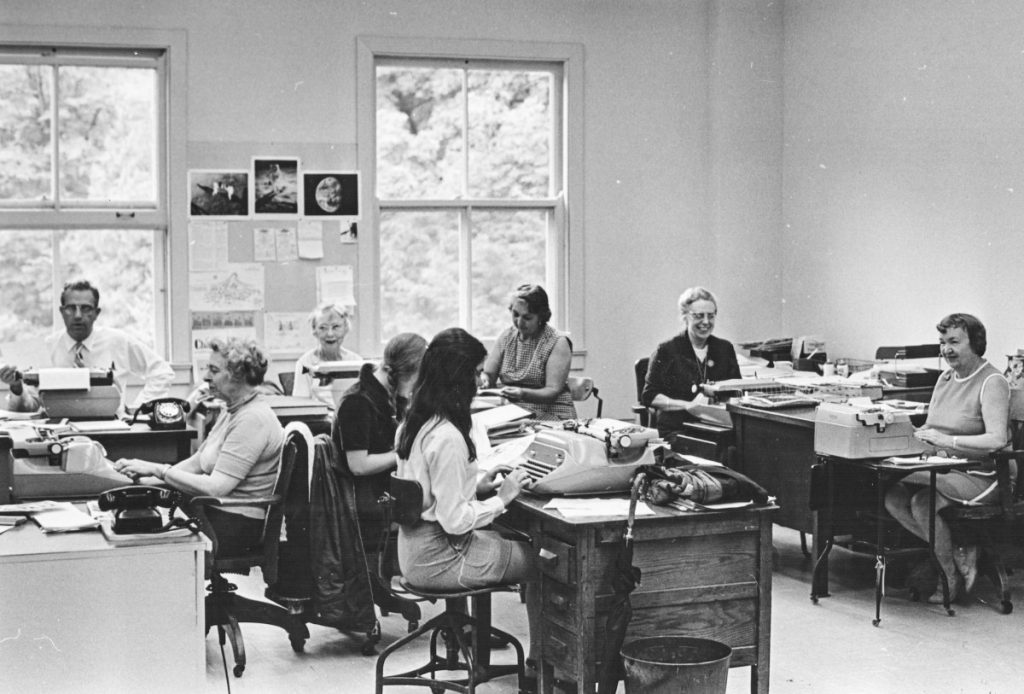
We don’t have names for the many people who did composition, type-setting, page layout and ran the presses in order for the Daily to be printed. We have some names of people who delivered the Daily, and a few stories from their time with the paper. We have a long list of names of staff writers, editors, photographers and some business office staff. Do we have every name? No, from 1876 to 1930, the names of the staff and even the editors were not on the masthead in the Daily. Did we miss some names? Assuredly, but we hope you will find some names you know.
As with so many activities and programs at Chautauqua, it is the people who put their time and talent into the Daily that have made it so central to the Institution. If you are reading this article from the perspective of the 175th or 200th birthday of the Daily, welcome to the continuing story of Chautauqua.