
LILY RESLINK
Staff Writer
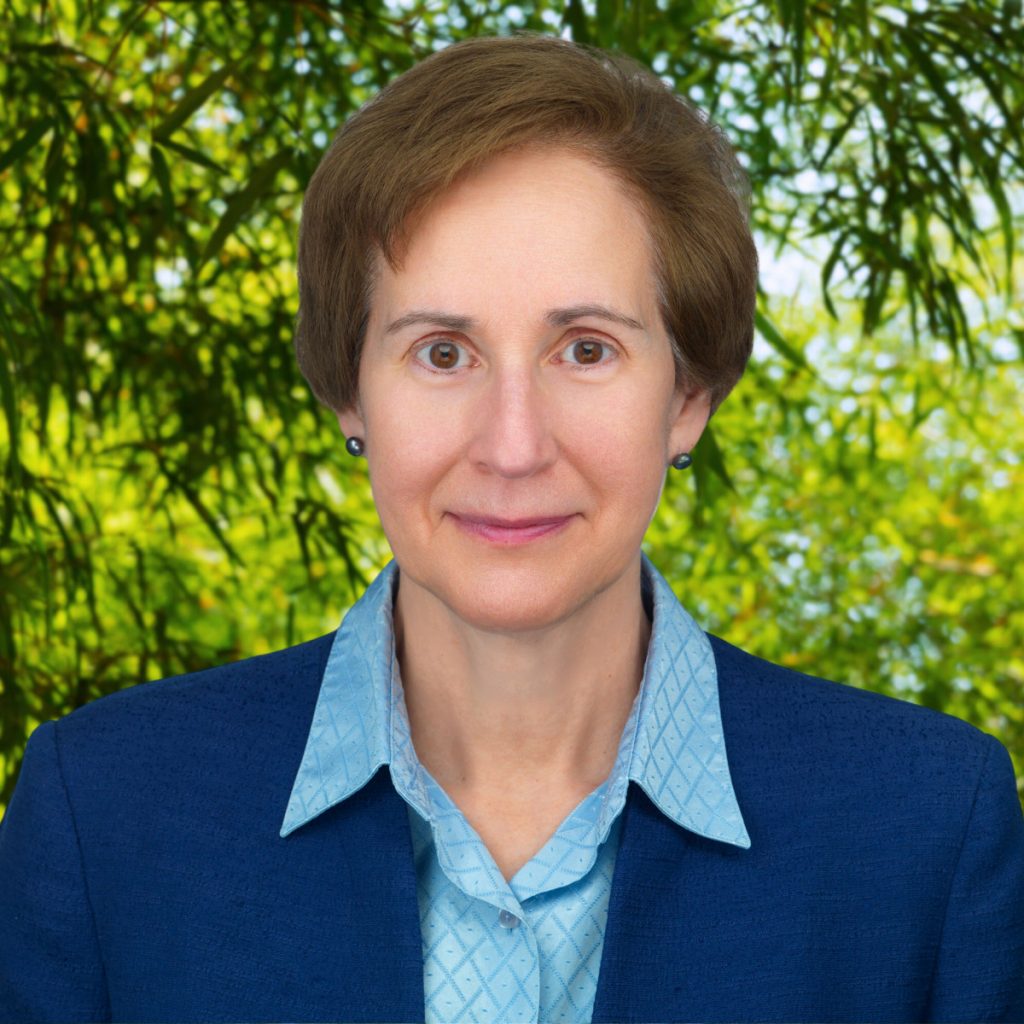
Karen Florini, strategic advisor at C-Change Conversations, will deliver an intentionally shocking lecture at 2 p.m. today in the Hall of Philosophy on the impacts of food on climate change and the impacts of climate change on food.
As she presents lesser-known aspects of the relationship between food systems and climate change, Florini said she plans to invite Chautauquans to tally each time her lecture surprises them.
Florini shared that once, she was asked why she works on climate change; her gut response was: “because of Bach.” She said end-stage climate change would mean there wouldn’t be a world in which Bach’s music could be performed and appreciated.
“As someone who has been a serious choral singer for many, many decades now, and someone who considers the B Minor Mass of Johann Sebastian Bach the greatest piece of music ever written, I don’t want to see a world without Bach,” Florini said.
Florini said several of her points will reference disparities in climate change’s impact.
“I am acutely aware that the impacts of climate change are falling and will continue to fall most heavily on the people who’ve emitted the least climate pollution and have the least ability to protect themselves from those impacts,” she said.
Regarding the unequal impacts of climate change around the world, she said her pursuit of a stable climate is “so that other people who now don’t have the resources to fully enjoy their culture are able to have those benefits as well.”
She said she will explain the title of her lecture, “Sheep May Safely Graze: Ruminations on Climate and Food,” at the beginning.
Regarding the world’s current relationship between climate change and food, Florini said she will cover the good and bad news. While she said the current reality of food systems presents challenges to sustainability, there is a more hopeful trajectory in opportunities for both consumers and institutions to reduce climate impact.
She said the vast majority of her time goes to C-Change Conversations, an organization that is “working to enhance climate literacy across the ideological spectrum.”
She noted her former role as deputy special envoy for climate change during President Barack Obama’s administration as “the most interesting thing” she has ever done in her professional career. She explained another factor embedded in her personal passion for working on climate change: “As President Obama put it, climate change makes every other problem worse.”
She said climate change worsens tensions over access to food and water, and these impacts ripple out.
“The impacts on food and water, in turn, can drive migration that causes massive political tensions that tend to lead to anti-immigrant outcomes, which we’ve certainly seen in this country and elsewhere in the world,” Florini said.
She named broad reasons for caring about climate change, including its impact on human health, grocery bills, communities’ economies and the natural world, as well as people’s faiths, traditions or personal values that call for helping others.
“If any or all of these matter to you, then so does the relationship between climate change and food,” she said.
She said while her lecture will address religion less formally, it will emphasize values and ethics.
Florini said she wants to emphasize “the ethical and moral imperative of not messing up the planet for today’s and tomorrow’s children.”
She previewed a main takeaway from her lecture: “The atmosphere does not negotiate, cannot be bribed and always bats last.”