Nora Smith
Staff Writer
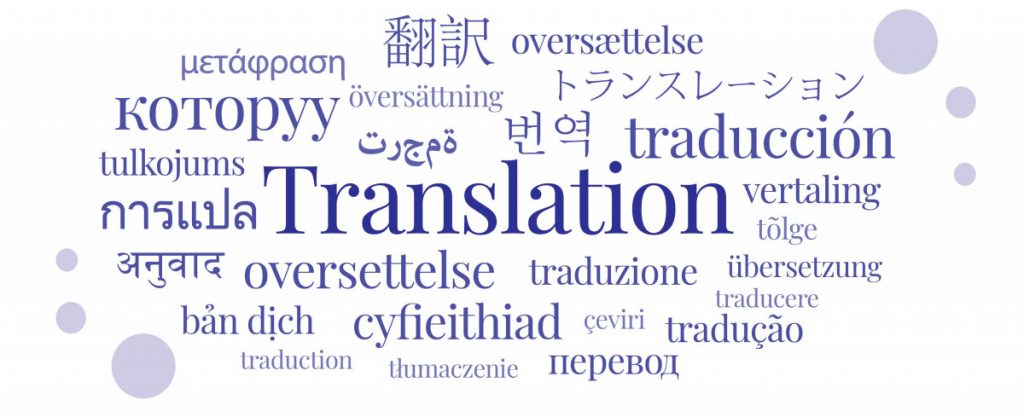
Translation is more than just the transfer of one language to another; it is an uninterrupted transmission of experience and emotion. Through cultural traditions, geographical borders and from one body to another, humans are constantly acting in some form of translation.
The Chautauqua Literary and Scientific Circle, having been inspired by this concept, will explore 13 books carefully curated by Chautauqua Institution’s Department of Education that represent or contain some form of translation in one way or another during the 2026 Season.
“We translate our experiences, our passions, our rage, our fear, any human emotion you can think of, we translate to one another in so many different ways,” Interim Michael I. Rudell Director of Literary Arts Stephine Hunt said. “The work of telling stories is the work of translation.”
Storytelling, in its simplest form, is an experience or emotion felt by the author that they translate into words for the reader to encounter.
At its center, CLSC represents the pursuit of learning, with the four pillars of Education, Recreation, the Arts and Religion often intersecting.
“Part of our goal with the CLSC is that you’re hopefully encountering books that you might not have picked up otherwise,” Hunt said. “It’s part of that lifelong learning goal, so even if it’s not a riveting read, you’re learning something or finding something that you can carry with you.”
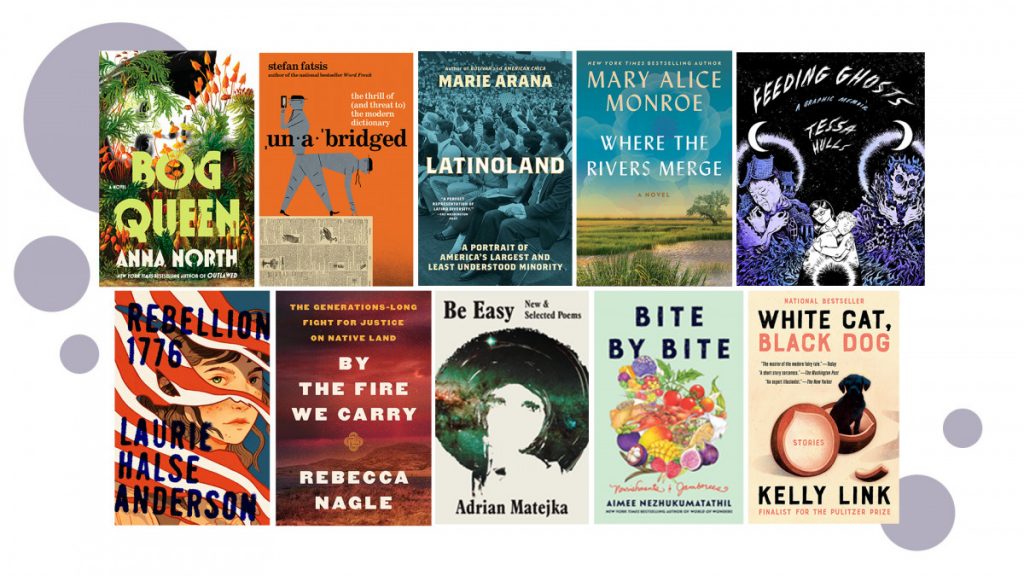
Commencing this season’s theme is Anna North’s “Bog Queen: A Novel,” which North will present at 2 p.m. July 3 in the Hall of Philosophy.
The novel relies on unique and distinct narratives to translate three separate stories across time that in turn become a collective story for the reader. Writing from the perspective of a graduate student in forensic archaeology, a Druid queen and the bog itself, North reveals how translation can occur through a scientific discovery.
“We translate across cultural experiences and then, of course, with the voice of the bog, how we translate outside of human existence and life, right? And how we imagine a collective story,” Hunt said.
Stefan Fatsis’ “Unabridged” tells the story of words and language: a perfect fit for Week Two’s focus on a new media landscape.
“So, that central component of, ‘What do the words that we use on a daily basis, what have they meant in the past?’” Hunt said. “‘What do they mean now? How have they evolved into this experience? How are they shaping our everyday lives?’”
Week Three’s selection “LatinoLand: A Portrait of America’s Largest and Least Understood Minority” by Marie Arana is a complex history of South, Central and North America’s Hispanic Latino experience with European colonization up until present day.
“We get some really beautiful portraits of not only historical figures but literary figures and musicians and performers and artists and politicians and present day everyday people,” Hunt said.
Covering everything from history, social life and economics to religion, politics and present-day circumstances, Marie Arana’s book paints a portrait of the people that have built the South, Central and North American civilizations.
Mary Alice Monroe’s “Where the Rivers Merge: A Novel” is a look at the importance of conservation for Week Four’s theme, “Wasted: Our Era of Disposability.” Centering around a family’s feud on the topic of preserving land, Monroe’s book is a love letter to South Carolina’s ACE Basin.
“It’s a question of how and where and when and why disposability of our environment becomes something ingrained in our experience with life and not only that, but how disposability translates into how we perceive other humans as well,” Hunt said.
Week Five’s selection features two books, Fredrik Backman’s “My Friends,” and Tessa Hulls’ “Feeding Ghosts: A Graphic Memoir,” both of which relay the theme of “Art and Artists Against the Odds.”
“It is a book about art and found family and friendships and love and grief and how art is a way we translate, not just our experiences to others in the world, but translate our existence to others in the world — how artists live forever in some ways,” Hunt said, concerning Backman’s work.
On the other hand, Hulls’ memoir is a multi-generational story centered around the effects of exile and how the grief of a homeland translates through generations.
“She’s looking very carefully at how what became that intergenerational trauma translates into her mother and then herself and how she’s still grappling with that intergenerational experience of exile as a young Chinese American,” Hunt said.
“Rebellion 1776” by Laurie Halse Anderson and “Be Easy” by Adrian Matejka will be in conversation during Week Six.
Set in the Revolutionary War, “Rebellion 1776” is a middle grade novel about a young girl in search of her father, a story Hunt described as something readers might not have thought about otherwise.
“Within the Revolutionary War, we hear about the generals, the battles, the Declaration of Independence, the powerful pieces of our historic history that brought the United States as a country into being,” Hunt said. “We don’t often hear about the small individual stories or about the difficult moments of those stories, like smallpox epidemics that challenged populations at large.”
In conversation with “Rebellion 1776,” Matejka’s “Be Easy” is a collection combining his more popular and previous poetry from other collections with his newer work. Matejka tells the tale of urban life and the experiences of Black fatherhood in America.
“It is just an incredible combination of work that is musical; he literally plays with jazz and hip pop and rap in really fascinating ways, in ways that dissect and suggest how these musical movements has had this powerful impact on the formation of African American and Black experience in this country, but of course, America at large,” Hunt said.
Week Seven welcomes Rebecca Nagle’s “By the Fire We Carry: The Generations-Long Fight for Justice on Native Lands,” which is centered in U.S. history, specifically the removal of the Cherokee nation and the five southwest nations.
“There’s a long history in this country of taking the work that we’ve done at erasing and diminishing and displacing Indigenous people into other countries in the world,” Hunt said. “So that’s really where that conversation expands.”
Moving into Week Eight and focusing on the future of food, Aimee Nezhukumatathil’s “Bite by Bite: Nourishments & Jamborees” is a study of food, culture and natural history.
“It’s a look at family, at history, at geography as a woman who is an American woman who is of Filipino and Indian descent, how those cultures have impacted her, how food has simply shaped her celebrations and contemplations on life,” Hunt said.
Wrapping up the summer season is Kelly Link’s “White Cat, Black Dog: Stories,” a work of rewritten folktales and fairy tales with influence from across the world.
“It’s just an incredible, beautiful collection and it’s also a collection that’s literally been translated into numerous languages,” Hunt said.
In addition to the CLSC selections that will feature in-person author presentations, the CLSC Unbound books “This is the Only Kingdom: A Novel” by Jaquira Díaz and “Dreamt I Found You: A Novel” by Jimin Han will be presented during the year through Zoom.