
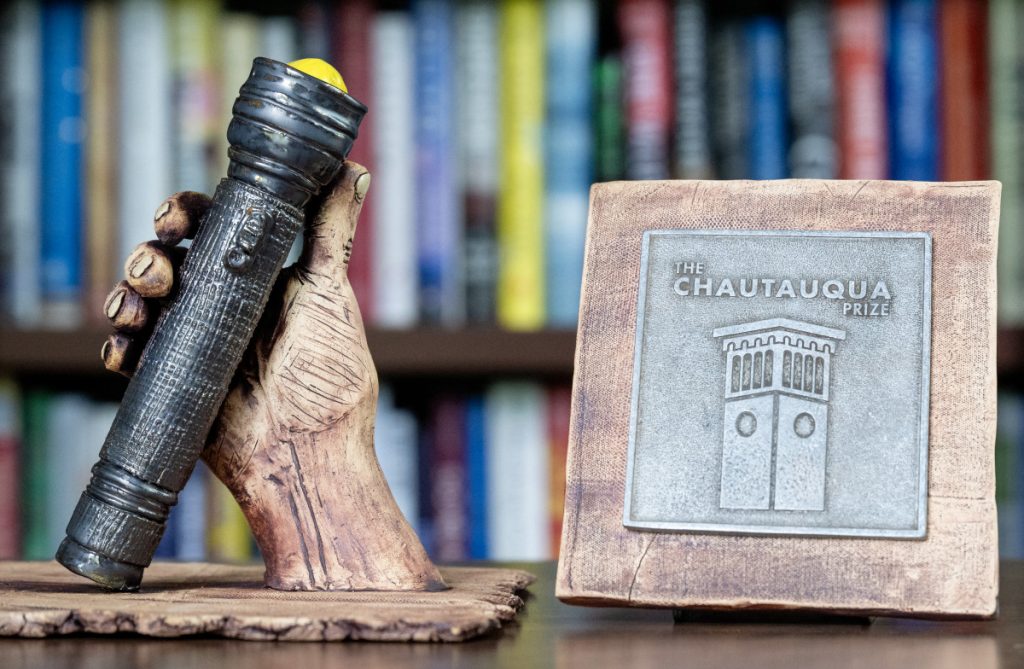
The 2026 Chautauqua Prize, created by Chautauqua School of Art Visiting Artist Rick Sullivan, will be presented to author Susan Choi for her novel “Flashlight.”
NORA SMITH
Staff Writer
This year marks Chautauqua Institution’s 15th annual celebration of the Chautauqua Prize — an award dedicated to celebrating literary and narrative nonfiction, fiction or book-length poetry collections that provide “a richly rewarding reading experience” and honor the authors for “a significant contribution to
the literary arts.”
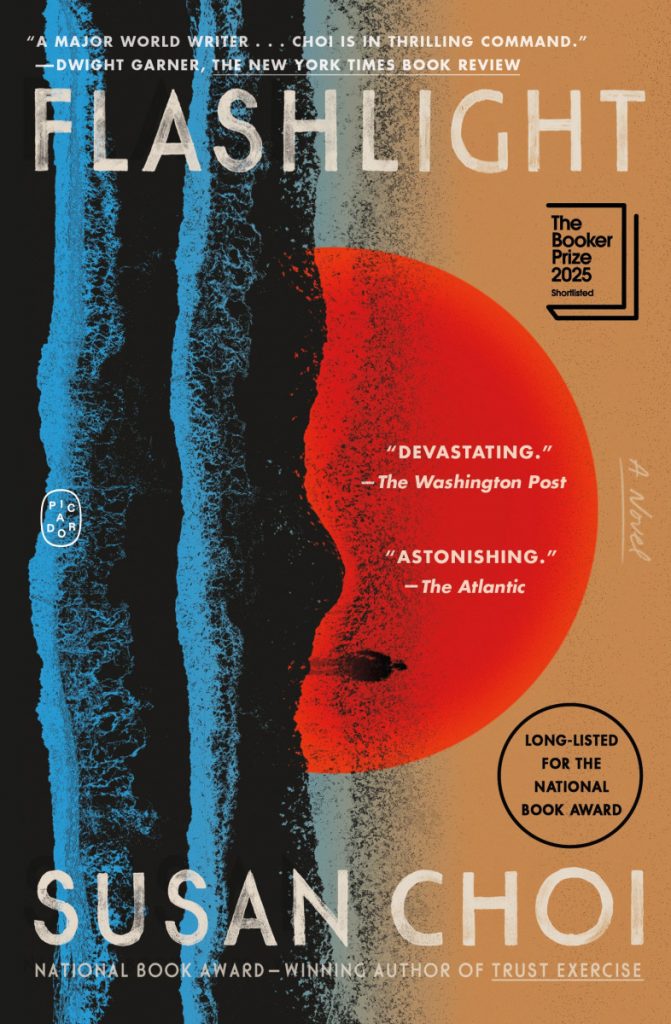
Today, author Susan Choi returns to Chautauqua to accept the 2026 Prize for her historical fiction novel Flashlight.
In addition to a $7,500 monetary prize, Choi will receive a handcrafted ceramic prize and will read from Flashlight at 2 p.m. today in the Hall of Philosophy, followed by a reception at 5:30 p.m. in the Athenaeum Hotel Parlor.
“It’s a huge honor, just all by itself, because I know how seriously Chautauqua takes books and takes literature. I’m just incredibly honored to be chosen because being chosen by a community of really serious readers is just particularly meaningful,” Choi said.
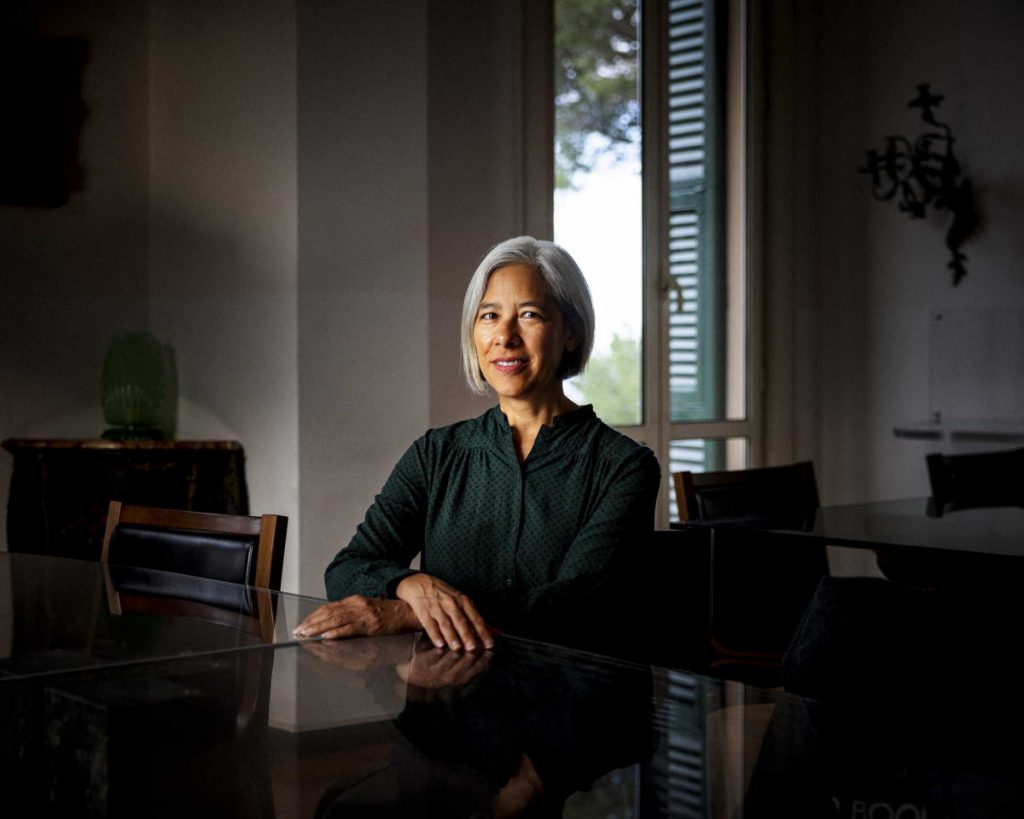
For Choi, the experience is especially meaningful because of her firsthand experience of this love for reading, having previously come to Chautauqua with the Chautauqua Writers’ Center and as a Chautauqua Literary and Scientific Circle author.
Interim Michael I. Rudell Director of Literary Arts Stephine Hunt said she is thrilled to welcome Choi back to honor this work.
“It was kind of an obvious choice from the start in conversations with the jury members,” Hunt said. “It was one of the first few books that a couple of them read, and really early on it was obvious in conversation that this was a standout book and it was obviously going to be a finalist, if not the winner.”
Hunt said the Prize is notably unique within the literary world because it is specifically awarded to a book that provides a rewarding reading experience and significantly contributes to the field of literary arts.
“[Flashlight is] just a powerful story about a family, about geopolitics in this world, about the impacts of border crossings and boundary setting and both the human life experience and beyond,” Hunt said.
Guest judge and award-winning poet Oliver de la Paz said he was immediately taken by the intergenerational voices throughout Flashlight and Choi’s ability to make the reader feel a part of the story.
“Spanning from Japan to North Korea to the United States, I think that [Choi] does a great job of allowing you into the minds of these characters, as flawed as they are, so that you understand the connected threads between them,” Paz said.
When judging, Paz looked for books with great depth that could impact a broader audience and encourage larger conversations.
“The experience of reading Flashlight is indeed rewarding because you go on this journey with these characters that span generations, and I think that ultimately there is a payoff in the book,” Paz said. “You leave the book understanding how difficult their lives had been and what these particular mysteries … had on the impact of the family.”
During the writing process, Choi was originally interested in how a family with a particular burden of secrets and hardships could survive.
“It was, for me, a fascinating psychological problem,” Choi said. “I was like, ‘What would it be like for these people to have this happen?’”
Choi said she hopes readers can connect with the story, although they might not have endured the same circumstances presented in the book.
As guest judge and Emmy award-winning poet Jillian Hanesworth made her way through the selection of books, she’d usually read the first 100 pages of each to gather an opinion before reading on. However, when reading Flashlight, Hanesworth flew through the first 100 pages and continued to finish the book over the span of a couple of days.
“I’ve learned so much, and it really caught my attention,” Hanesworth said. “It read like a mystery thriller, but there were also those components of history, the multi-generational saga that it told. It was amazing. I couldn’t put it down.”
Hanesworth said she hadn’t known about the political tension between Japan and Korea and hadn’t thought about the perspective of a person coming from these tensions and immigrating to America.
“I was able to digest a perspective that I had never really thought about,” Hanesworth said.
Hanesworth said every submission honored what an author and artist should be doing throughout their work: educating, challenging and sharing different perspectives. What put Flashlight at the top, however, was its ability to bring a deeper conversation to Chautauqua.
“I think that honors Chautauqua the most,” Hanesworth said. “Introducing people to ideas and perspectives that they may not be familiar with, but once they see it or [are] exposed to it even a little bit, they want to dive all in. They want to know more.”