CODY ENGLANDER
Staff Writer
From the outside looking in, James C. Capretta believes both parties have more in common with each other than they might think in terms of goals within the field of healthcare.
“I think people might believe that everything in healthcare is very heavily contested by the two parties,” Capretta said. “That turns out not to be true. Healthcare is so complicated, outside of the big picture issues in the field, how the programs operate are already there.”
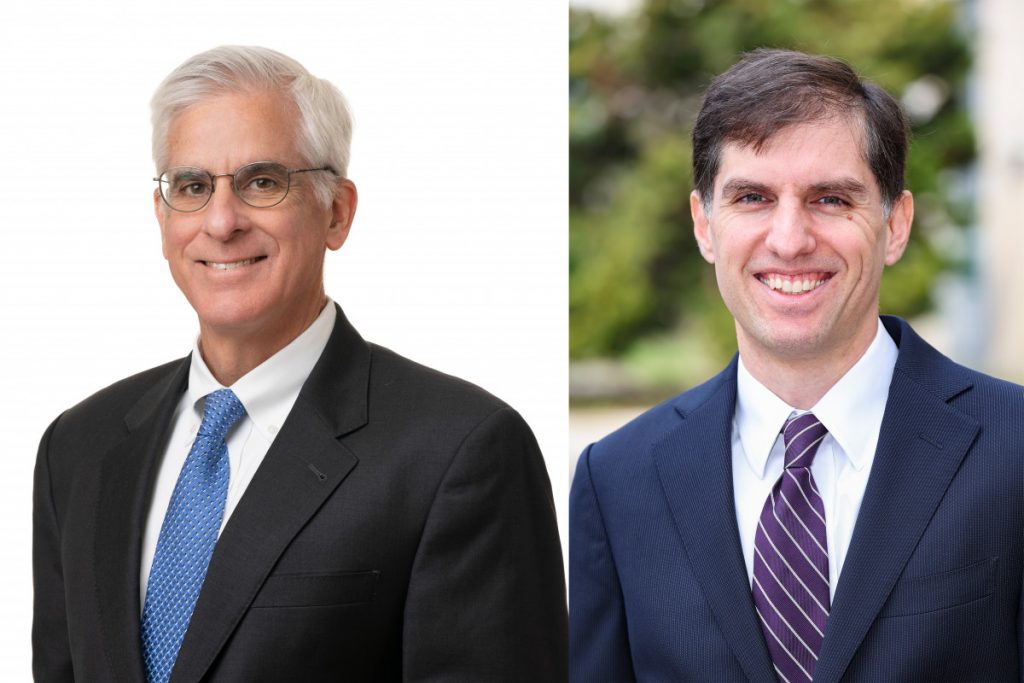
At 10:45 today in the Amphitheater, Capretta and Matthew Fiedler will engage in a discussion about healthcare and health policies in America and how they relate to Week Three’s theme, “The 2026 Election: What’s At Stake?”
In their conversation, they will answer some of the most pressing questions about healthcare that policymakers will be confronting in the issues relating to this November’s midterm elections.
Capretta is a senior fellow at the American Enterprise Institute and is also a senior advisor to the Bipartisan Policy Center. He previously held senior staff positions at the Office of Management and Budget and in Congress.
Fiedler is the Joseph A. Pechman Senior Fellow in Economic Studies and a senior fellow with the Center of Health Policy at Brookings. Much of his research pertains to healthcare economics and healthcare policies.
“The system has been, to some degree, structurally consistent since the Affordable Care Act in 2010,” Capretta said. “… That structure that has been set 16 years ago has been pretty set. There have been some twists and turns related to legislation, mainly enacted during the Biden administration’s time in office.”
Capretta noted the three modern changes to the healthcare field, including the expiration of enhanced premium subsidies, expanded Medicare benefits and the Trump administration cutting $1 billion in Medicaid funding. Amid the changes, however, there seems to be bipartisan support about the expensive cost of healthcare.
“The prices paid for insurance and premiums, for some customers, seem excessively expensive,” Capretta said. “… Then they read news stories about price gouging and people being taken advantage of, so there’s a lot of concern about disciplining costs.”
Their discussion will revolve around the key issues confronting policymakers and voters, through the conversation providing a funnel for listeners to make informed choices on the ballots in November.
“My views are generally left of center, James’ views are right of center, but we’re not the two polls of healthcare policymakers today,” Fiedler said.
He referenced a relevant issue facing liberals, conservatives and the Medicare community today — private Medicare and advantage plans in the Medicare program.
“I think that there’s been increasing discontent on the right with how much the Medicare advantage system is costing, but that’s a debate that’s been bubbling throughout this period because of trends we’ve seen in enrollment in Medicare advantage,” Fiedler said. “… I think the broader theme here is, there are issues that come to the surface because there are issues of a political debate, or there are issues bubbling to the surface because evidence is showing there is a policy question, or people in their interactions with the healthcare system are dissatisfied.”