CODY ENGLANDER
Staff writer
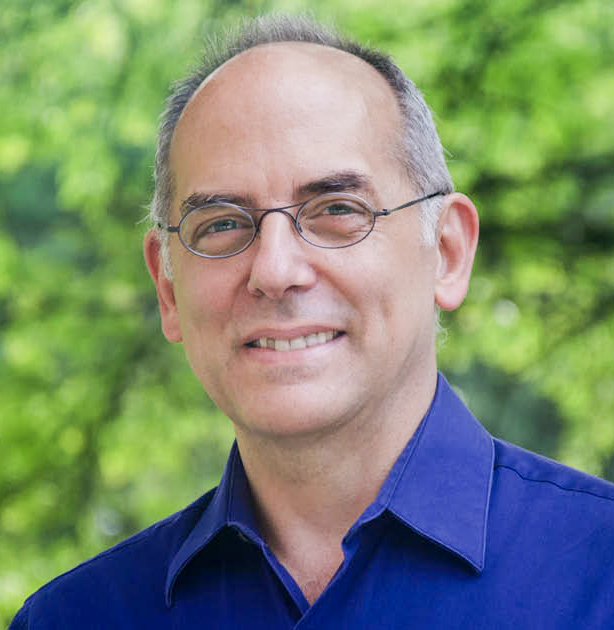
Once, during a performance encore, pianist Logan Skelton witnessed a moment of humanity through performing the folk music of Béla Bartók, he recalled.
“I played a folk music setting for an encore on a Bartók recital, and the older women in the audience started singing with me,” Skelton said. “They knew the melody, and I knew that style, which is very unusual. I could perform it with them, putting the accents and the timing in the right place. I felt so deeply connected to Bartók and centuries of musicmaking. It’s a language.”
At 2 p.m. today in Sherwood-Marsh Studios, Skelton will present recordings of folk styles in the piano music of Béla Bartók. The presentation combines actual recordings of folk music, correlating with pieces of music in which Skelton incorporates melodies, styles and lessons to be learned from hearing and playing the music; he will then play music based on and alongside the style.
“Where [Bartók] uses those actual melodies or styles, you can learn from hearing the folk music itself. And then when playing them side-by-side, it becomes very clear what sort of performance implications everything has,” Skelton said.
For Skelton, the power of folk music is about the connection it brings across generations.
“I feel that when you get an ear for the style, you’re just much closer to the way music makes sense. It’s almost like you’re studying a language, like reading words on a page you learn to pronounce from the dictionary, and then you start speaking,” Skelton said. “… If you listen to the living language as it’s spoken by other people, you pick up inflection and timing and emphasis — you start speaking like a native.”
Bartók’s folk music comes from seeking out a group of people in as remote an area as possible, an area with little access to modern technology. He recorded their musical performances on an Edison cylinder recorder, which used grooves in a cylinder of wax to record sound.
“What a gift it is for us to go back in time and hear these people sing and play their hearts out in a village,” Skelton said. “… It’s using technology in this sense, but it’s not using technology like [artificial intelligence] to do something artificial. It’s just hearing music as it has been done for centuries and learning what we can and applying it to our own music making. There’s something so natural about it.”
For Skelton, a desire to preserve musical traditions while advancing and building upon the groundwork of previous musicians is what keeps pushing music forward. He recalled being able to hear the music of Bartók live at a museum dedicated to the musician.
“I thought I would just hear it on recordings forever. Yet here it was, in reality right before me, and I was playing along with them,” Skelton said. “I felt so connected to those people, and they themselves were part of a tradition that goes back thousands of years. Time and space and distance and culture were just evaporated. If you can get an ear for the folk styles, just hear them, you are doing something to get closer to Bartók’s music. I think anything that brings you closer to the music is worth doing.”