
JENNA OUTCALT
Staff Writer
Chautauqua Lake is an iconic part of the county, presenting opportunities for boating, swimming, fishing and more. Research projects and local environmental organizations have made lake conservation efforts take off in the past few years — but these efforts are intertwined with the environmental issues of the surrounding lands, as well. Local environmental advocates Marisa Riggi and Whitney Gleason will focus on this topic in their upcoming lecture.
Riggi, president of Western New York Land Conservancy, and Gleason, president of Everwild Land Trust, will present on protecting Chautauqua County lands at 12:30 p.m. today in Smith Wilkes Hall on behalf of the Bird, Tree & Garden Club in partnership with Chautauqua Climate Change Initiative.
They will explain the conservation efforts concerning Bear Lake, north of the Village of Stockton — about 10 miles from Chautauqua Institution.
“Bear Lake is one of the last places in Western New York where an intact lakeshore, wetlands and surrounding forests can still be permanently protected as a connected ecosystem,” Riggi explained. “Unlike many Western New York lakes that have been heavily developed, Bear Lake’s southern shoreline remains almost entirely intact.”
Everwild Land Trust and Western New York Land Conservancy are proposing the Bear Lake Preserve, which would create nearly 1,000 protected acres in the surrounding area.
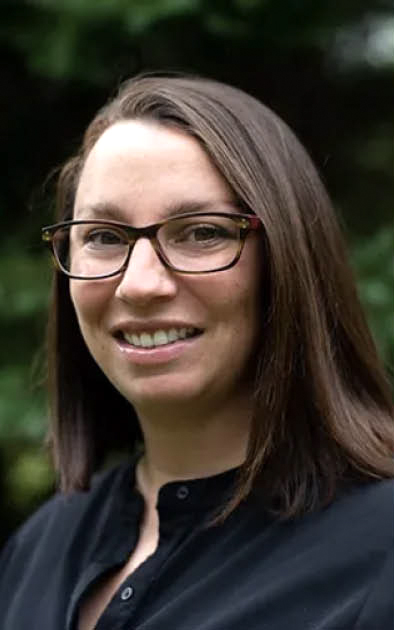
“This conservation effort supports clean water, wildlife, climate resilience and outdoor recreation, not just at Bear Lake, but across the region,” Riggi said.
Bear Lake is an example of the collaboration that conservation requires, according to Riggi
and Gleason.
“Although Chautauqua Lake faces challenges on a much larger scale, the same principles apply: Healthy watersheds depend on long-term planning, shared responsibility and a commitment to balancing ecological health with community needs,” Riggi said.
Preserving Bear Lake can help environmental health at a broader level in Chautauqua County as well.
“Healthy wetlands and watersheds at Bear Lake benefit the region by filtering pollutants before they reach the lake, reducing flooding by storing stormwater, improving water quality, storing carbon and providing breeding habitat for fish, amphibians, mammals and birds,” Riggi explained.
Riggi said community members can volunteer, attend public talks like this one and simply stay informed to help support lake conservation efforts.
“Chautauquans can become advocates by sharing what they learn and encouraging thoughtful conversations about conservation,” she said. “The success of projects like Bear Lake depends on a community that understands the value of protecting natural places and is willing to invest in their future.”
Riggi hopes people leave the lecture understanding that protecting a lake takes more than just preserving the lake itself.
“Wetlands, forests, streams and shorelines all work together to support clean water and healthy ecosystems,” she said. “Bear Lake offers an inspiring example of what can happen when organizations, landowners, and communities work together toward a shared vision. Conservation is not just about preserving land, but about investing in the long-term health, resilience and quality of life of Chautauqua County.”