
LILY RESLINK
Staff Writer
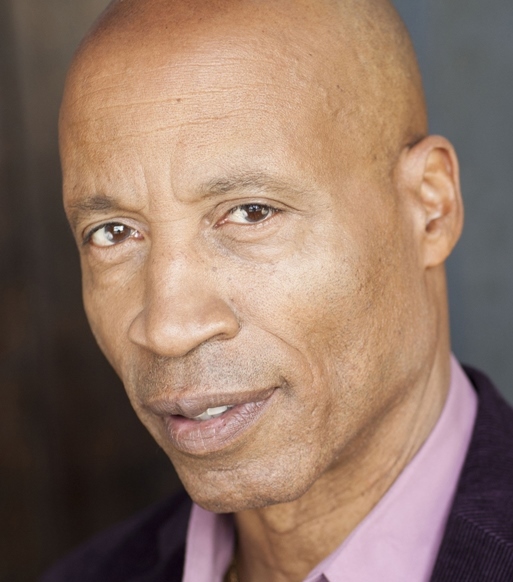
Peter Lawson Jones is a Harvard-educated attorney, professional actor, former elected representative of Ohio, acting instructor, master of ceremonies and dramatist. He said he is someone who has had many lives, and still, he hopes to have a couple more.
With perspective as an artist and a public servant, Jones’ conversation will kick off Week Five’s Interfaith Lecture Series theme of “The Creative Spirit: Art, Resilience and the Soulful Work of Making.”
At 2 p.m. today in the Hall of Philosophy, Jones will draw from his life story, sources of inspiration and spiritual guiding principles in the format of candid conversation rather than a formal presentation.
In line with his diverse range of roles, he said the conversation will likely explore the “process and the possibility of reinvention” through the lens of his own experiences.
“The things that I’ve really enjoyed doing in life … have been motivated first by passion,” Jones said. “I feel passionate about acting; I felt passionate during my career as a public servant; I felt passionate when I was arguing the case in court; I felt passionate when I was writing a play.”
While passion is what fuels him, according to Jones, the other commonality between his interests is “the art of persuasion.”
Across careers, Jones said his motivation is making societal impact and helping “repair the breach,” which he drew from the Hebrew phrase “tikkun olam.” To him, this means making impactful art and legislation.
He described Sunday school, sitting in church with his parents and becoming conversant with the Bible as the first articulated principles to have shaped his spirituality, and subsequently, his life’s moral and ethical underpinnings.
“Those lessons learned from biblical teachings and from the Scriptures absolutely establish the guardrails and the infrastructure for how I’ve endeavored — hopefully more successfully than unsuccessfully — to live my life,” Jones said.
Jones said the human mission is making Earth a better place, and this is not possible without helping others. He said improving the Earth means pursuing fairness, equity and peace — principles he said he sees embedded in most theologies regardless of their religious and denominational distinctions.
“I think my spirituality informs my moral and ethical code,” Jones said.
He said the essence of most religions is a set of core values without significant interdenominational, ecumental or dogma-based variations.
Jones said he is excited to be at Chautauqua Institution around people who are “serious about advancing humankind.”
“To me, Chautauqua is this beautiful intersection of intellectual curiosity, spirituality, arts and culture — and joy,” Jones said.