JENNA OUTCALT
Staff Writer
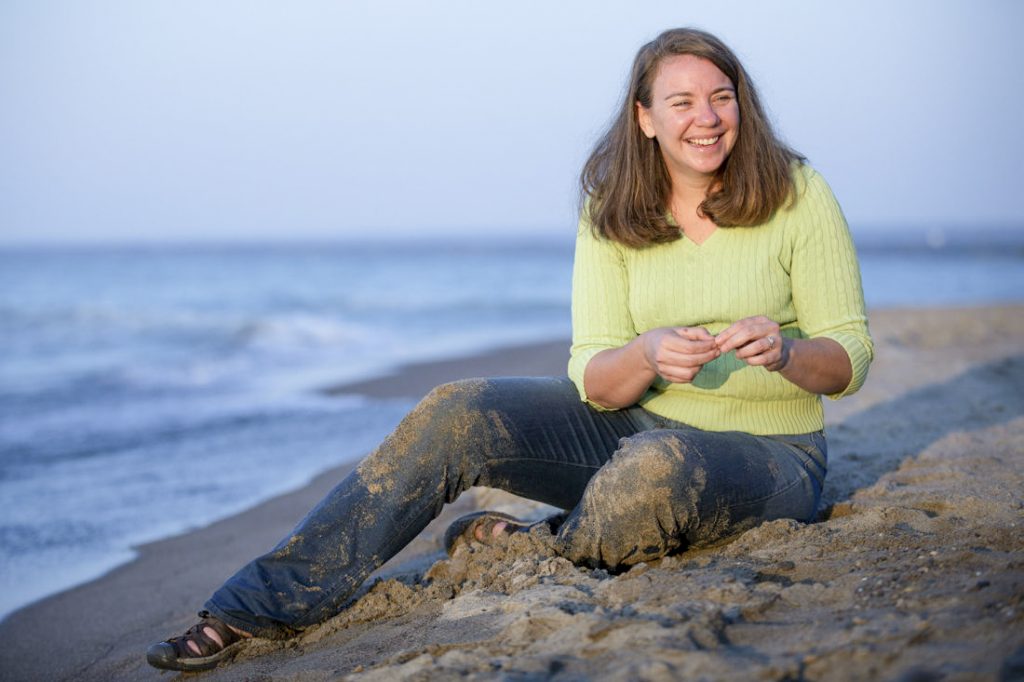
A lot can be learned from trash, according to Sherri “Sam” Mason. Trash sorting workshops like the ones she leads can provide valuable information not only for scientists like her, but for the public, too.
“I think the important thing [is] we’re there to have fun. We’re there to educate, but in a fun way,” she said.
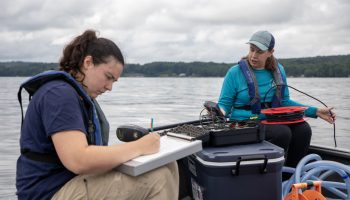
Mason is leading a summer camp for high school students that goes to different areas in the Lake Erie coastal zone and explores local ecology with field experience and laboratory analysis. At 12:30 p.m. today at Heinz Beach, the camp will sort trash and discuss the information they learn from the waste.
“A good way to learn about a society is by looking at the trash, the things we throw away, the things that we don’t consider important,” Mason said.
Mason researches plastic pollution at Gannon University, where she oversees multiple environmental education and conservation initiatives. Mason encouraged Chautauquans to pick up trash around Chautauqua Institution and join the summer camp for the hands-on workshop.
“Come prepared to get a little bit dirty,” she said.
Rachael Zoe Miller, an ocean conservationist and National Geographic Explorer, will join the workshop as well.
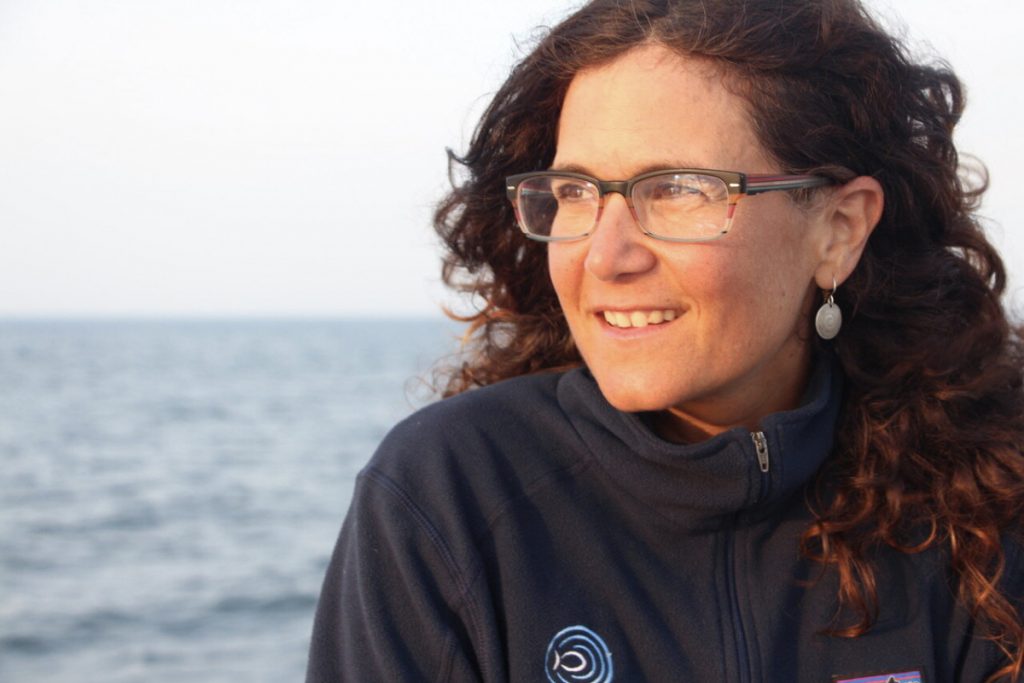
“What I’m excited to do with Sam and her students is attach some three-dimensionality to the problem and to do it locally,” Miller said.
Miller emphasized it’s not just the cleanup that matters, but the information and dialogue that stems from it.
“I think public sorts are one of the most powerful ways to make a beach cleanup have impact,” she said. “I’m a fan of cleaning up, obviously, but the way I see it is: Cleanups are good, but data cleanups are what prevent the problem.”
Mason explained that many people think plastic is only a pollutant once it is discarded. However, pre-production plastic pellets are one of the most common pollutants in the environment.
“I think it’s really important to recognize that plastic pollutes at every stage of its life cycle. It’s not something that just happens at the end,” she said. “It happens from the moment it’s extracted as crude oil.”
Mason said disposability and plastic go hand-in-hand, and they disrupt the cyclical systems of the natural environment.
“Disposability is a linear process … what that means is that you’re taking valuable resources and you’re constantly turning them into trash, to invaluable resources,” she said.
According to Mason, having a society based on a linear process is a danger to humans as a species.
“Every time we buy something that is disposable, we are voting for a disposable world and a disposable people, a disposable species, because in the end the planet will continue on without us,” Mason said.
However, Mason said society can move more toward the natural order.
“I really want us to be thinking much more circular. That’s what moving beyond the era of disposability is,” she said. “It’s thinking about how we can operate more in line with nature. You have to work on cycles.”