JENNA OUTCALT
Staff Writer
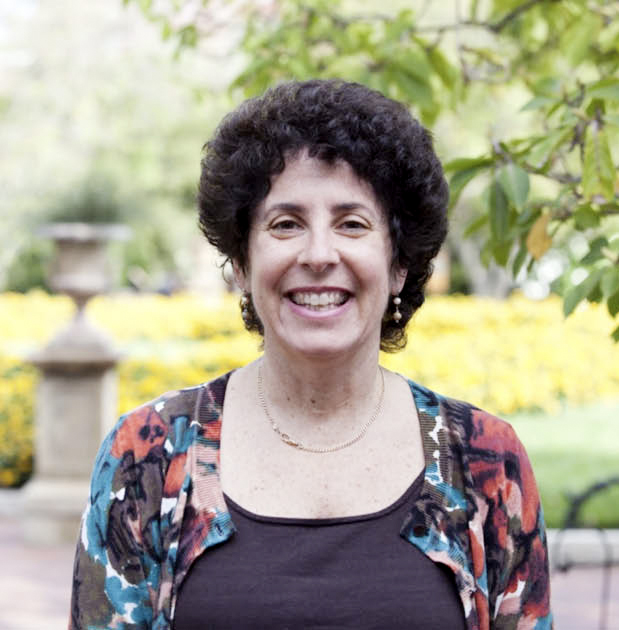
According to Judi Greenwald, the delicate balance of the needs for energy, a healthy environment and affordability is a defining problem in the modern era.
“It’s a big, complicated issue, but it’s one of the most important of our time,” she said.
Greenwald will lecture about climate solutions based on nuclear energy for the Chautauqua Science Group and Chautauqua Climate Change Initiative at 9:15 a.m. today in Hurlbut Sanctuary.
Greenwald has worked in environmental policy for decades, contributing to government legislation, technology development and consulting. She has worked in the White House, Environmental Protection Agency and Department of Energy, among other government agencies.
When Greenwald attended Princeton University, she said there was no degree for environmental engineering, so she created one for herself by choosing an environmental concentration to pair with her engineering degree. She said she came of age in a time when environmental issues were beginning to gain more prominence.
Greenwald started working with nuclear energy six years ago. Now, she is the president and CEO of the Nuclear Innovation Alliance, a nonprofit, nonpartisan think tank that aims to advance nuclear power as an energy and climate solution.
“Nuclear energy is having a moment right now,” Greenwald said.
The Department of Energy is currently pursuing projects to bolster nuclear energy in the United States. Given the current conversation around nuclear power, Greenwald acknowledged that there could be assumptions and misconceptions about it. She said she hopes to address some of those ideas during her lecture.
“People always have questions about nuclear energy,” she said. “It’s a big topic with a lot happening.”
Greenwald said people may come to the lecture with varying levels of knowledge about nuclear energy. However, she said she hopes there will be new information for all expertise levels.
“I’m hoping everyone can learn something,” she said.
Greenwald emphasized that the balance of energy, environment and affordability can be achieved if people are intentional about working toward it. She said after her years working in environmental policy, she understood that making change is a “team sport” that needed to consider a variety of perspectives.
Greenwald said many conversations tend to center on what people don’t like rather than what they want to work toward; she emphasized that improvement can be complicated, and there are multiple ways to make progress.
“…Energy guru Amory Lovins was once asked whether he is an optimist or a pessimist, and he said neither because they are both different forms of fatalism,” Greenwald said.
She explained that Lovins believes in applied hope, the idea that people need to be proactive and make choices to create a better future instead of relying on wishful thinking.
“Things can get better, but we have to make them so,” she said. “I agree with him. Our future is up to us.”