JENNA OUTCALT
Staff Writer
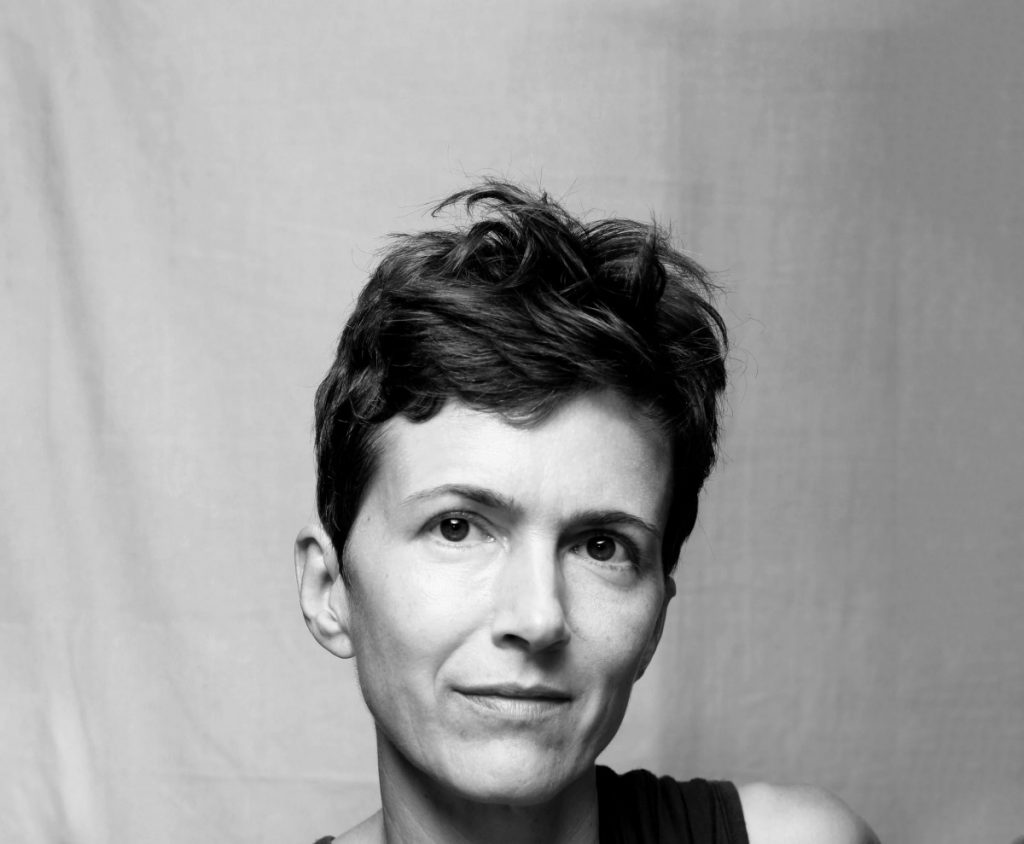
Sigrid Jakob does not have a background in science. In fact, she said she wasn’t even a good student in biology. Now, however, she has documented almost 10,000 different fungi, published in scientific journals and does her own fungal DNA sequencing.
“I just always liked fungi,” Jakob said. “They seem strange and mysterious. They smell weird, they look weird, they show up one day and they disappear the next.”
Jakob said her desire to learn more about fungi led her down the rabbit hole of learning and documenting species through citizen science. She eventually became the president of the New York Mycological Society, a position she held for four years.
Jakob will lecture at 12:30 p.m. today in Smith Wilkes Hall about citizen science in partnership with the Bird, Tree & Garden Club and Chautauqua Climate Change Initiative. She said she will discuss local citizen science initiatives and how to make good observations of organisms.
Citizen science is when people without scientific backgrounds contribute to logging and discovering organisms in nature. Jakob explained that logging observations of the natural world has a rich history, and Chautauquans in particular have always been good at “engaging with the natural world.”
“People have been doing that for hundreds of years, before science even was taking more of an active place in biology and other disciplines,” she said.
However, citizen science has expanded and evolved in modern times, according to Jakob, creating new opportunities for people to get involved.
“Some of them are a little bit more grassroots, some of them are a little bit more directed by scientists, but they’re all about collaboration and community around whatever your favorite organism is,” she said.
This is especially true because of new technology, which allows citizen science to expand to a wider scale, according to Jakob. “People have always gotten together over birds or plants, but now you can do it across the world … using tools like Zoom and so on,” Jakob said. “This has led to a complete renaissance in citizen science.”
Jakob also said apps like eBird and iNaturalist are becoming more ubiquitous and well-known, allowing anyone to participate in logging their natural observations.
“At the beginning we really had to try and persuade people to use [the apps], but now it’s almost like a matter of course,” Jakob said.
A decrease in funding for sciences, especially those “that are not considered essential,” gives citizen science a more central role, according to Jakob. She said the focus on “breakthrough science” left room for regular people to step up and contribute to “foundational science” by logging what they see in the natural world.
“We live in a golden age of citizen science, just because academia does not have the funding, does not have the people, does not have the attention span to do a thorough job on birds or flowers or fungi,” Jakob said.
Jakob said she wants people to come away from the lecture understanding just how accessible serious scientific work actually is.
“I’m going to show to people that this is something that’s well within the reach of regular people, including DNA sequencing, which is available for free or very cheap to almost anyone,” she said. “It’s just a lovely array of tools that anybody can learn how to use depending on their interests.”