LAYLA VINSON
Staff Writer
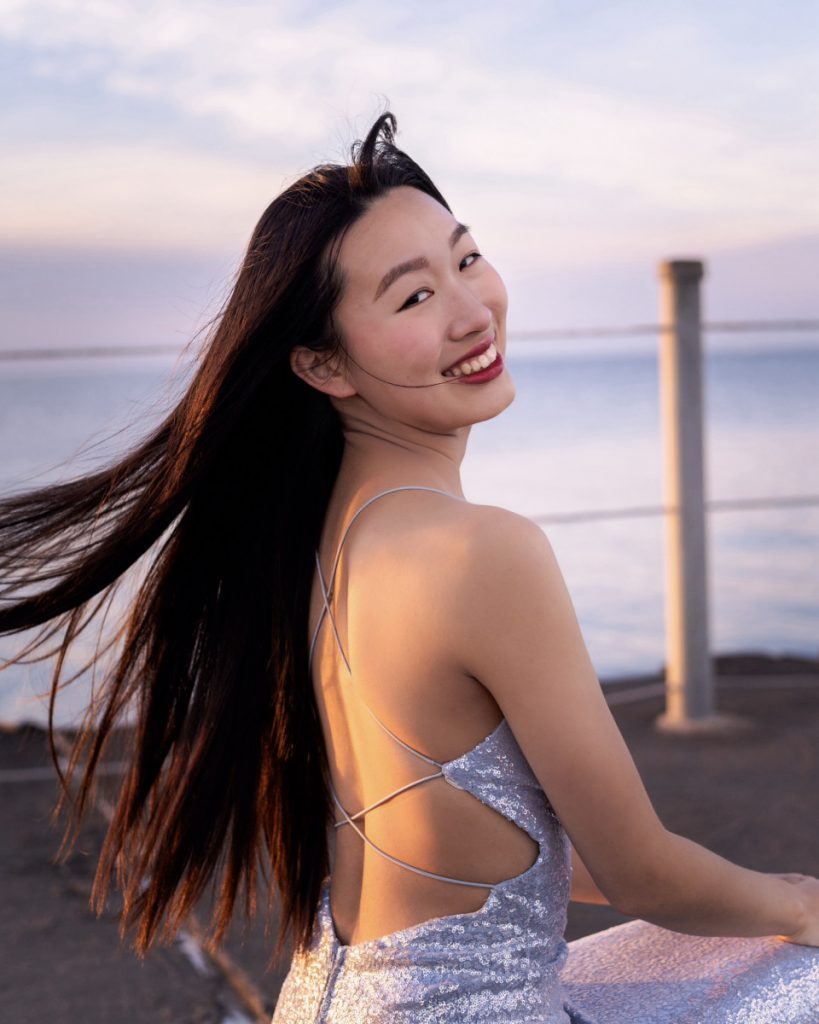
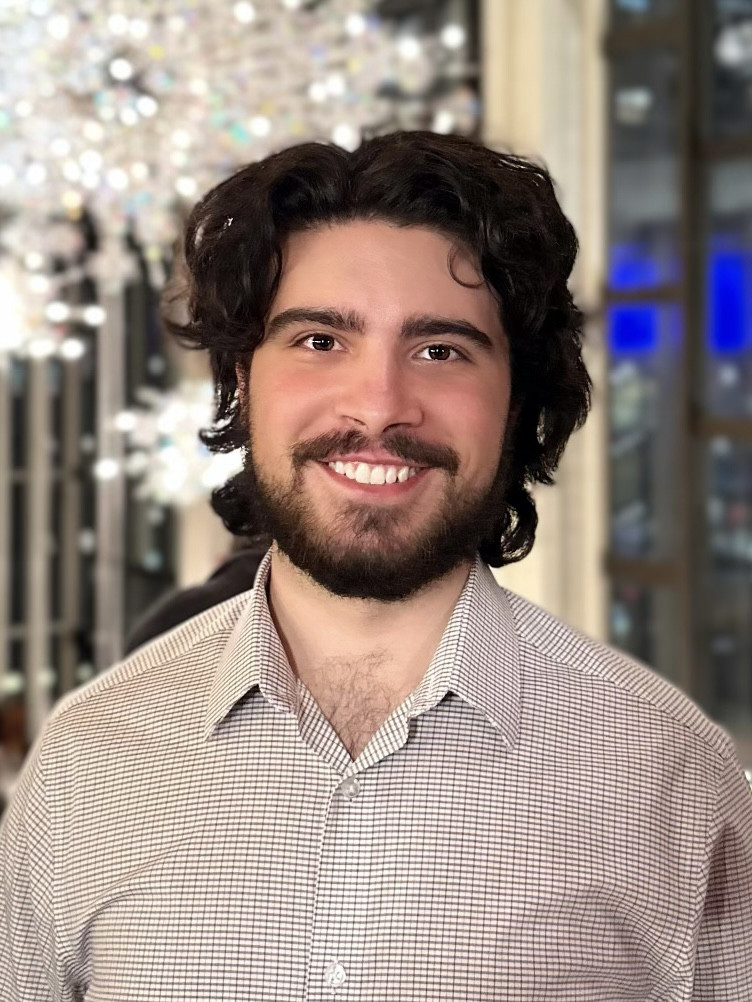
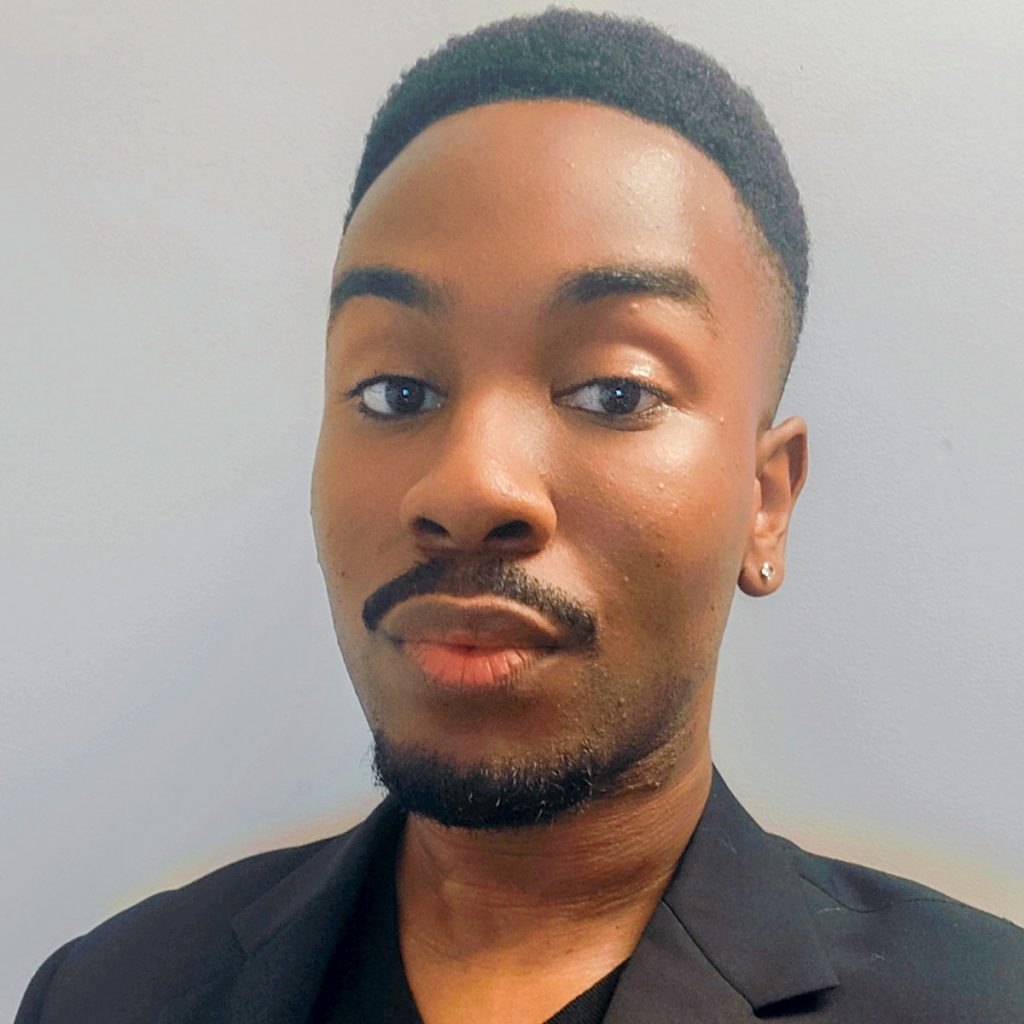
The distant memory of Vocal Chamber Music at Chautauqua Institution will echo into the present at 6:30 p.m. tonight in Elizabeth S. Lenna Hall. Featured Chautauqua Opera Conservatory students — Luis Vega-Torres, Sarah Cao, Jaydon Beleford and Anna Maria Vacca — will perform in collaboration with approximately 20 artists from the School of Music Instrumental Program and three musicians from the Piano Program.
One of the conductors and coaches within the faculty, Joel Harder, defined vocal chamber music as a subgroup of chamber music that includes singers — something that hasn’t been performed at Chautauqua in thew past few seasons. Distinguished by its utilization of poetry instead of being set to a libretto like a typical opera, chamber music exists in a category of its own.
“It can be in a bit of a nether region,” Harder explained. “They feel like arias because they’re big sings, but technically, they are sort of more in the art song vein and it uses poetry.”
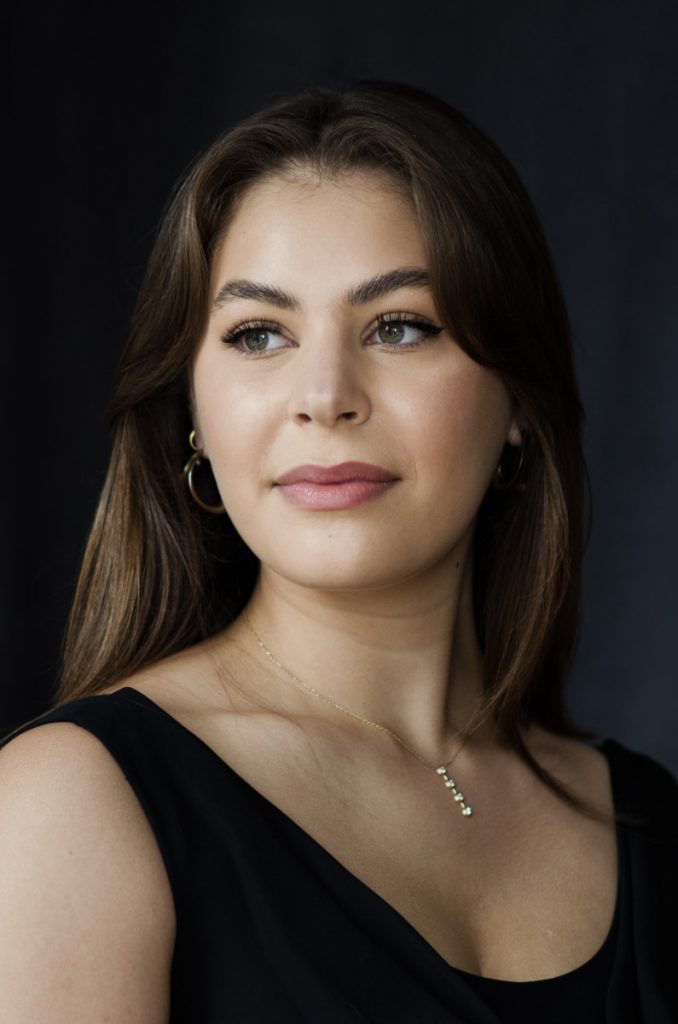
Mezzo-soprano Maria Vacca further related the genre to the operatic style, explaining that chamber pieces can be taken from a larger chamber piece in the same way arias can be extracted from an opera.
“There’s kind of sometimes more room in chamber music to collaborate in ways that are a little bit more innovative,” Maria Vacca said, highlighting the novelty and synergy between the School of Music, Piano Program and Conservatory. “A little bit more room there, less traditions going on and room to play.”
Featuring works by Francis Poulenc, Olivier Messiaen, Maurice Delage and Maurice Ravel, the program will intimately blend voices and instruments for a deeply expressive performance that has faded into the background for many conservatories over the years.
“Vocal chamber music like this is kind of a hole, I feel like, often in conservatory training and programming; you don’t often get a chance to do it. It’s sort of just swept under the rug a little bit,” Harder said. “The chance to do it here, I think, is a rare opportunity for people to get to do it.”
Conducting the final piece of the recital, “Le bal masqué” by Pulac, Harder expressed great excitement for the piece he deemed “irreverent, carnival and darkly humorous” in contrast to the other pieces. Alternatively, Maria Vacca highlighted the ethereal, dreamlike qualities of her most highly anticipated piece by Ravel.
“This specific piece is quite impressionistic,” Maria Vacca said, noting the distinct differences each singer can bring to the stage in their rendition of the piece, excited to add her own individuality in her performance. “In all of the recordings I’ve listened to of this, it’s very different … There’s a lot of notes in it for the instrumentalist and for me. But to me, it still feels like there’s space, so it’s exciting.”
Maria Vacca urged audiences not only to experience the recital as a whole, but to also find different perspectives and locate some of the distinct elements that each play a significant role in such a collaborative recital.
“Listening maybe just to the strings and seeing how that can make you feel, just listening to the voice and then hearing how they all mesh beautifully together and why they were written together,” Maria Vacca said. “I think it can, as a listener, make you kind of grow in your own way to hear things differently going forward.”