LAYLA VINSON
Staff Writer
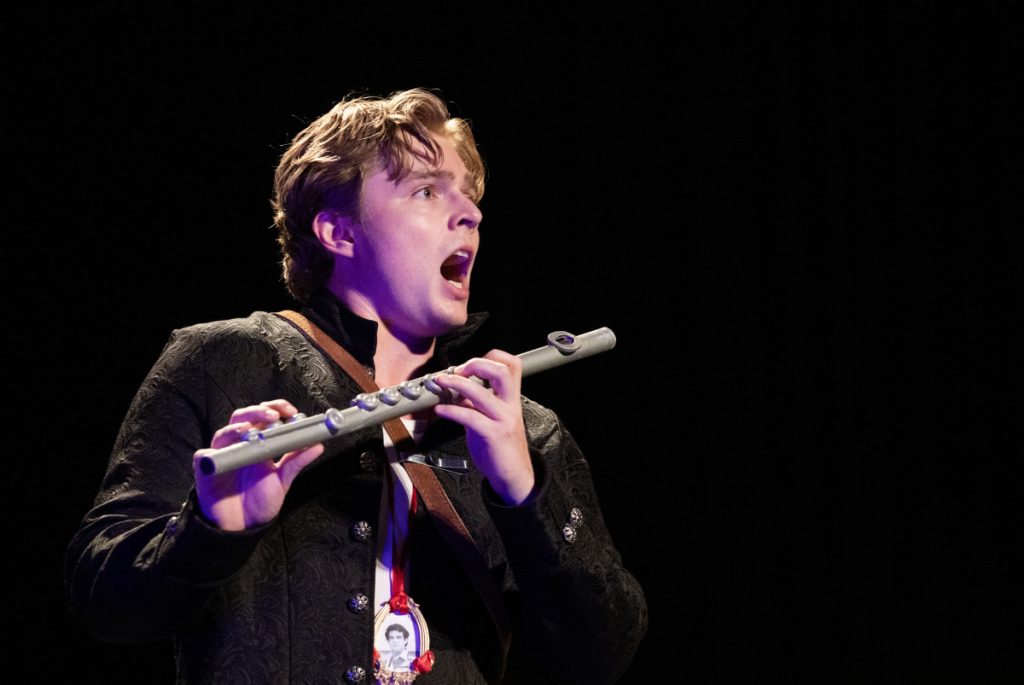
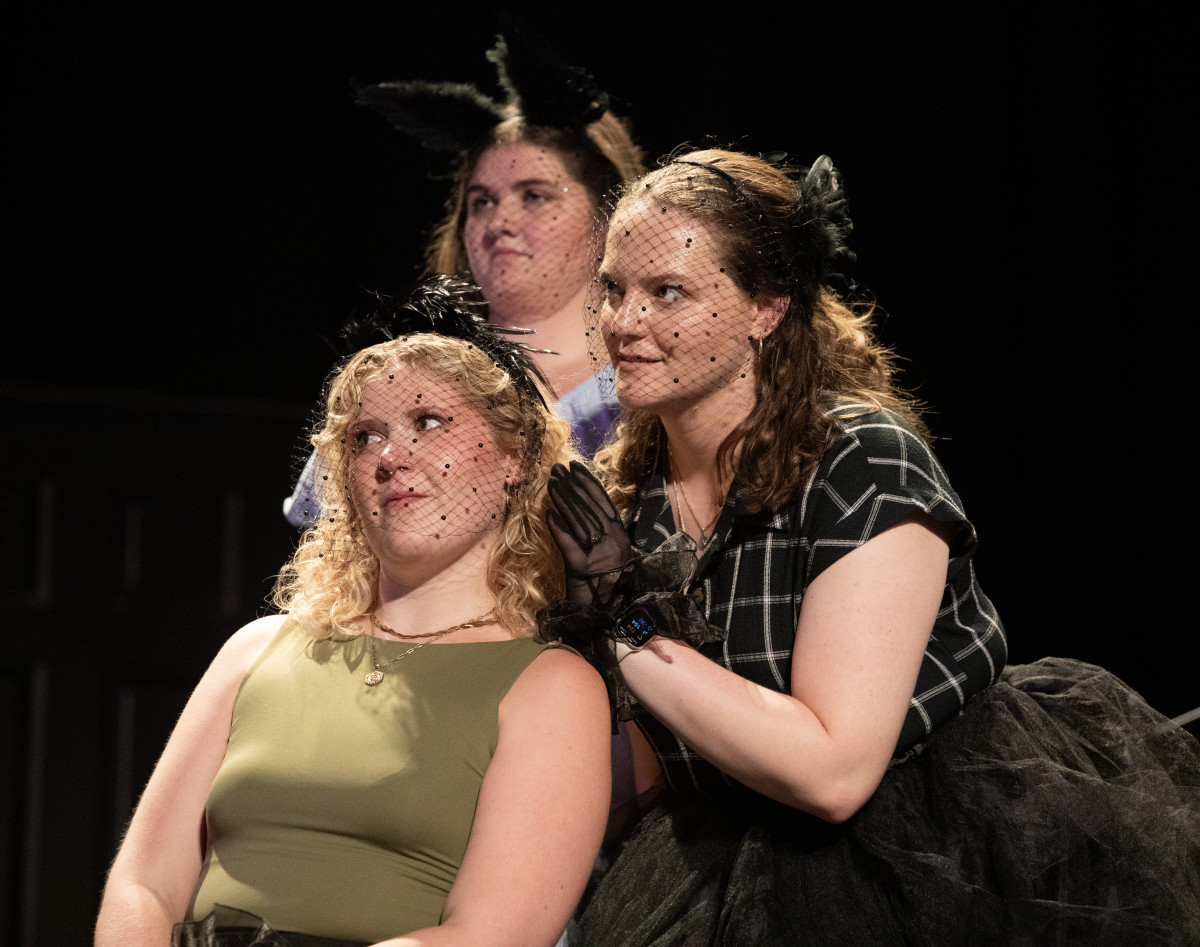
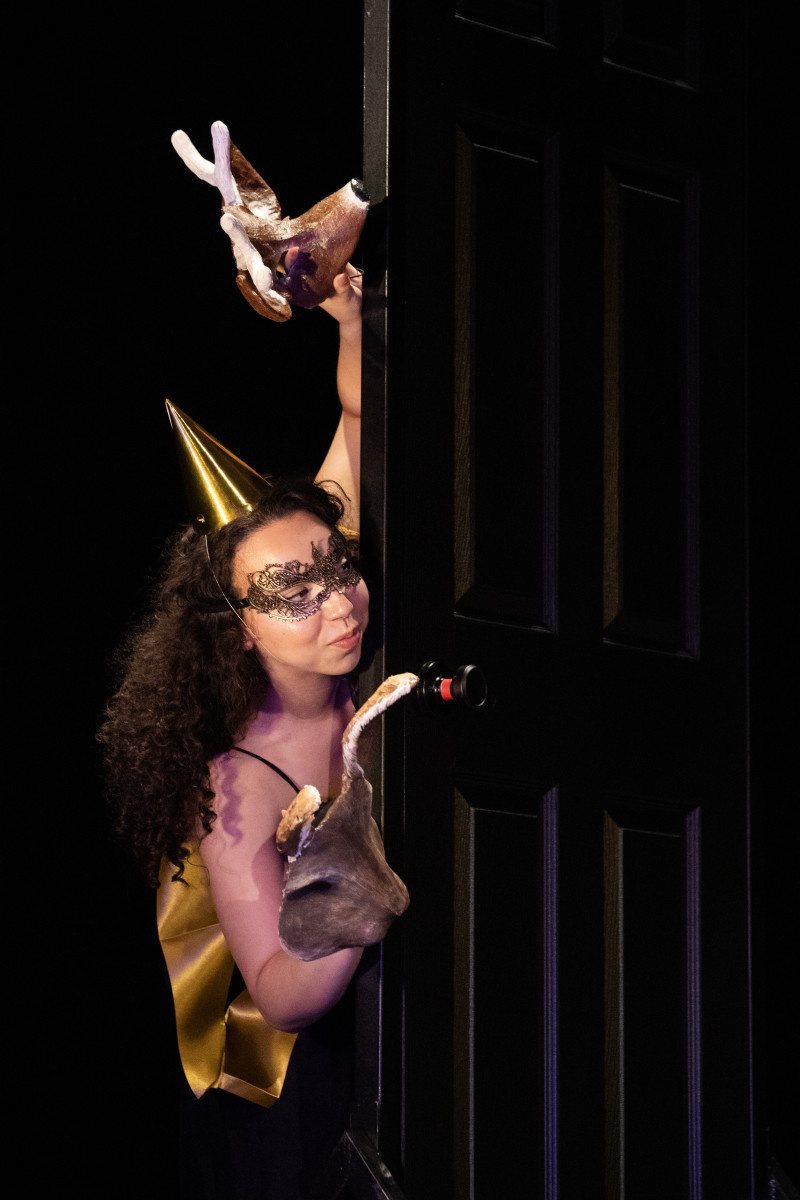
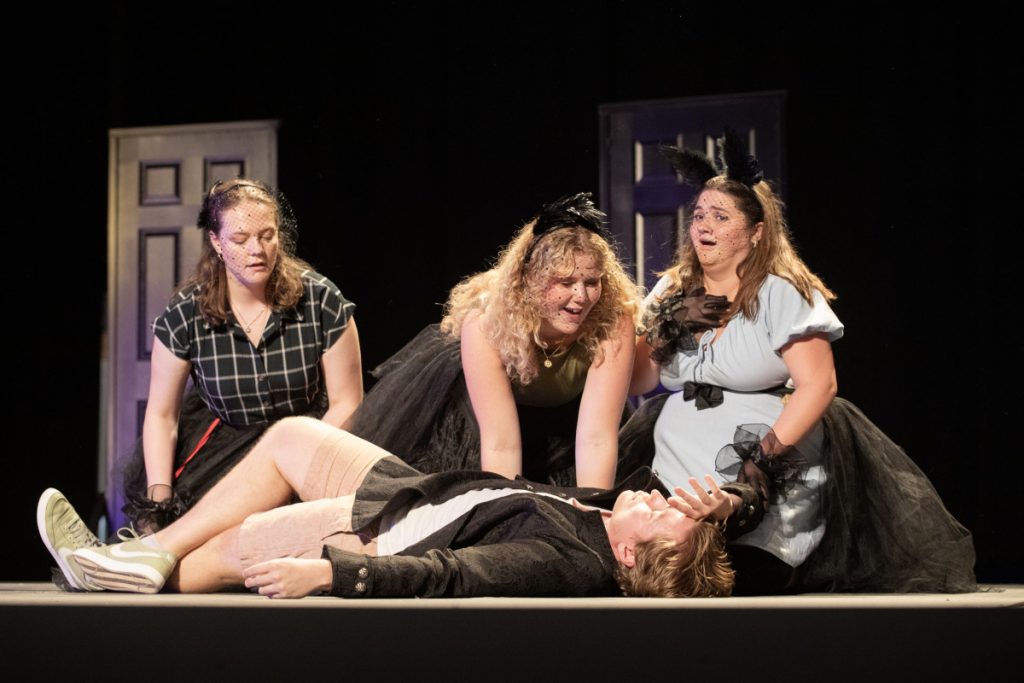
The fantastical world of Wolfgang Amadeus Mozart’s Die Zauberflöte transcends barriers of time, language and reality at 2 p.m. Saturday in Norton Hall. Diving into a rich history and imaginative atmosphere for 90 minutes without intermission, Chautauqua Opera Conservatory will showcase their rendition of The Magic Flute in German with English dialogue.
“It’s one straight-through act; the dialogue is snappy, quick and just right to the point. It feels like it zips by in a second,” said conductor Stephen Hargreaves. “I think it’s a bite-sized version of this opera, which I think helps the singers, helps the orchestra and helps the audience.”
In addition to being conducted by Hargreaves, the opera will be directed by Nathan Troup and feature dialogue coaching by acclaimed actress Dietlinde Turban Maazel.
A known improviser, Mozart’s work fostered an environment conducive for each singer to bring something unique to the table, providing the Conservatory creative freedom in their endeavors during production. In examining ornamentation in Mozart, the faculty have approached The Magic Flute with their individual spin on such a beloved classic.
Operatic singers of the past “were paid to be individual; they weren’t paid to do what Mozart was doing. Mozart was a person who enabled the singers to perform,” Hargreaves explained. “So there are a lot of moments where the singers would extrapolate and create a cadenza or create a variation of what was going on, so I’ve tried to provide some moments for all the characters to explore this.”
Playing one of the lead roles in the opera, Pamina, Conservatory artist and soprano Lynn Kang has tackled new concepts such as ornamentation with great excitement. Having done former work in operatic pieces grounded in heavy drama and emotion, The Magic Flute’s coming-of-age story of adventure, love, wisdom and transformation has allowed her to relate to the source material in a very personal manner.
“Each scene talks about a particular emotion instead of crazy drama,” Kang revealed. “… Die Zauberflöte has emotions that I’ve already felt, even though I haven’t lived that long. But it felt like something I had already felt somewhere.”
In its vast display of themes and aesthetic imagery, Kang deemed the fantastical elements as a “kind of power” in their ability to convey thoughts and emotions that every human has likely experienced at some point in their life. In underlining such a whimsical story with familiar emotions, audiences may recognize these themes and motifs from a perspective outside of their own history.
“I think The Magic Flute has always felt somehow like a family opera,” Kang said, feeling as though her role has provided her with a duty to share some of these emotions with others. “An opera for everyone.”
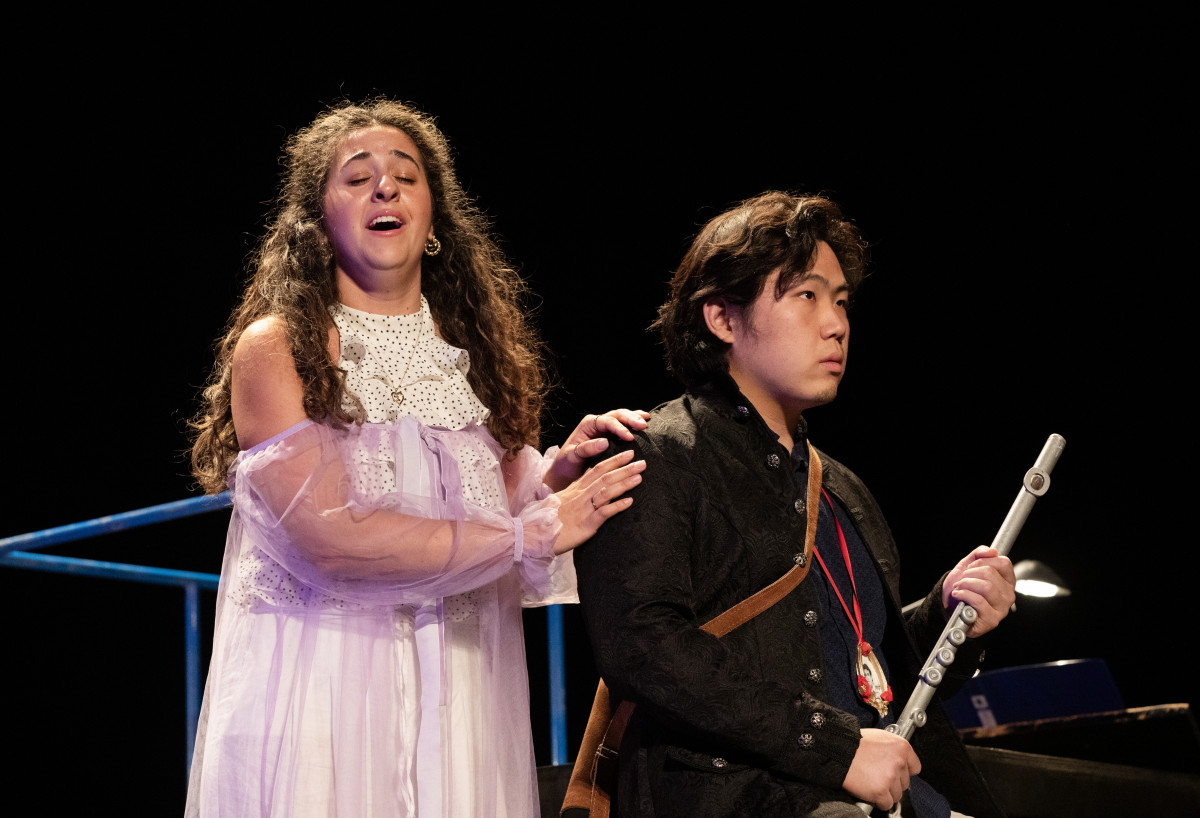
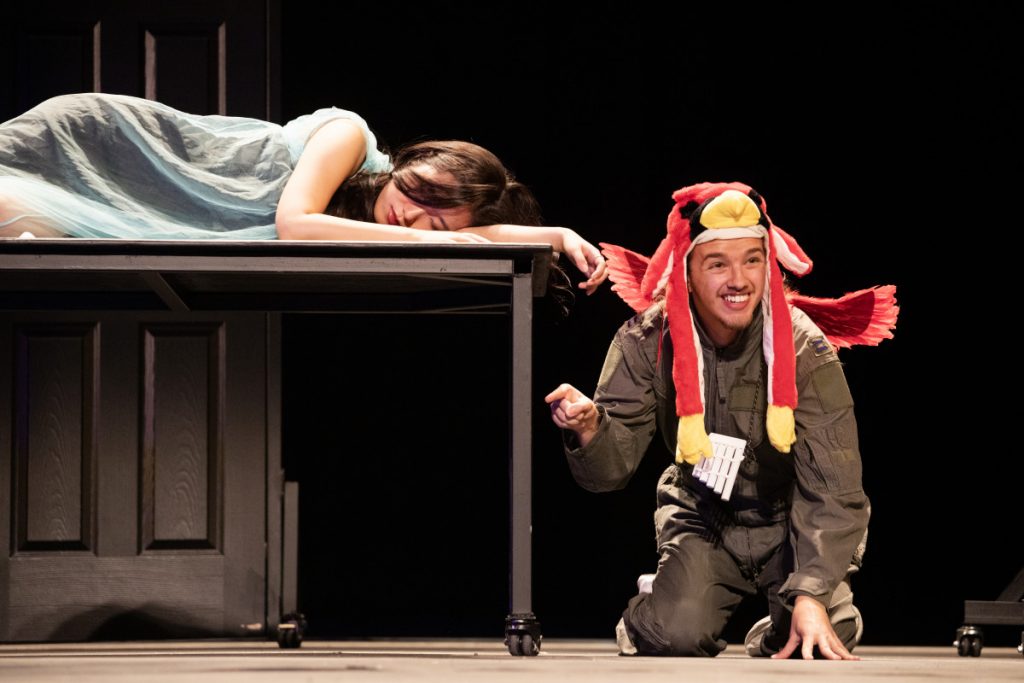
Elizabeth Palumbo, soprano, in the role of Pamina, and Zongwei Zhang, tenor, in the role of Papageno, rehearse together.