JENNA OUTCALT
Staff Writer
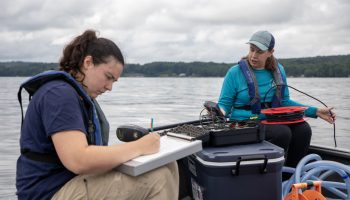
Although Chautauqua Lake is a popular spot for recreation like swimming, boating and fishing, harmful algal blooms can put an abrupt stop to the fun. However, scientists like Allison Hrycik have been working for years to ensure a safer, healthier lake for all.
“I’ve been working on Chautauqua Lake since 2020, but last year, 2025, was our biggest year as far as research and funding and effort on the lake,” Hrycik said.
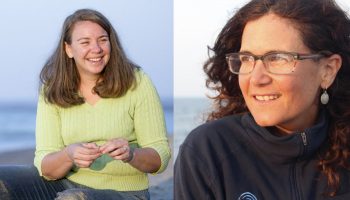
Hrycik works for The Jefferson Project, which aims to understand and respond to harmful algal blooms and other environmental issues that threaten Chautauqua Lake. She and Courtney Wigdahl-Perry, a SUNY Fredonia professor who conducts research on the lake, will hold their annual Chautauqua Lake research update at 12:30 p.m. today in Smith Wilkes Hall.
Hrycik will present an overview of the research findings from last year, including the nutrient-monitoring program in the lake and six new tributary monitoring stations The Jefferson Project set up last year. She also plans to touch on some of this year’s goals, such as a nutrient mitigation program to help control algal blooms. Hrycik said issues on the lake like excessive weeds and algal blooms can hinge on
nutrient management.
“Some of that stuff is natural, some of it is stuff that we can control,” Hrycik said. “And if we want to keep it a nice system for enjoying for the future, we have to be involved in these things, and it’s important to have public support.”
According to Hrycik, the community is deeply invested in the projects occurring on the lake.
“People are very interested in what’s going on, and sometimes that makes it a little bit difficult to agree on how it should be managed,” Hrycik said. “But at the same time, people are so invested that it makes me hopeful that we can all work together to manage the lake a little bit better.”
Wigdahl-Perry also emphasized the importance of the community getting involved, despite the challenge of getting everyone on the same page.
“Different activities on the lake will lead people to value different things,” she said. “An angler who’s fishing for the really big muskie might care about different features of a lake compared to somebody who wants to take their kids tubing or waterskiing, or somebody who’s using it for drinking water.”
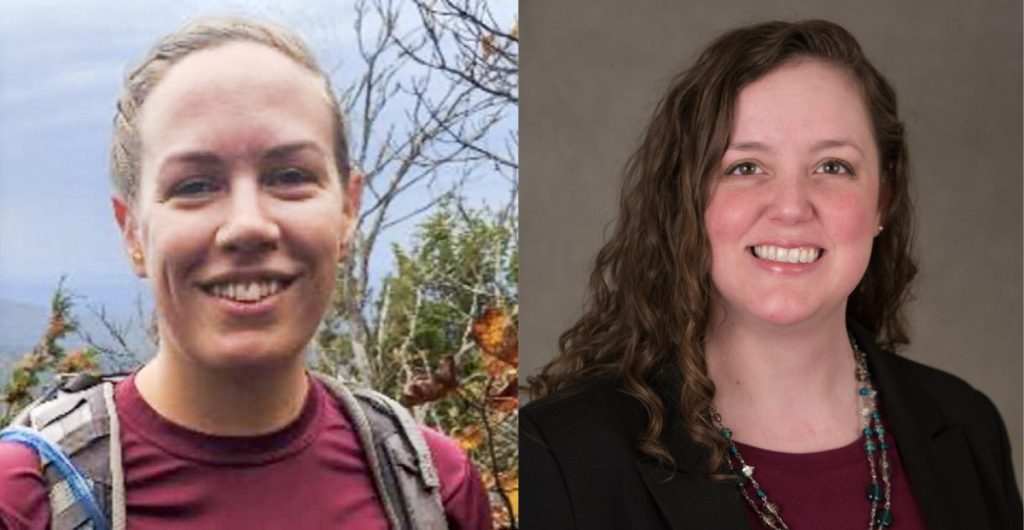
Wigdahl-Perry will also present the research of two students who did their senior practicums at Chautauqua Lake. One student, Emma Steffenhagen, conducted a pilot study examining the relationship between algae and the lake’s aquatic plants. The other student, Mayc Kelley,
studied the vertical distribution of algae in the lake, sampling every vertical meter in the lake to find correlations between depth and algae growth.
Wigdahl-Perry said the research is a starting point to ensure communities can make informed decisions.
“The more we have the community involved in understanding the lake system and sharing their ideas and perspectives about what’s important to them, the better we can line up what we do about managing the site,” Wigdahl-Perry said. “It’s a really valuable natural resource, and the science can tell us a lot about how it works.”